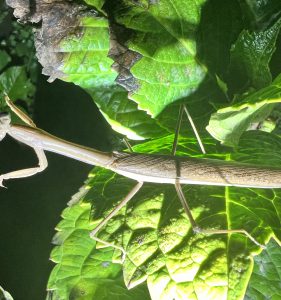
Genus Tenodera
The genus Tenodera comprises large, robust mantises, typically found in shades of green or brown for camouflage.
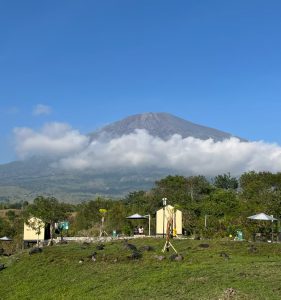
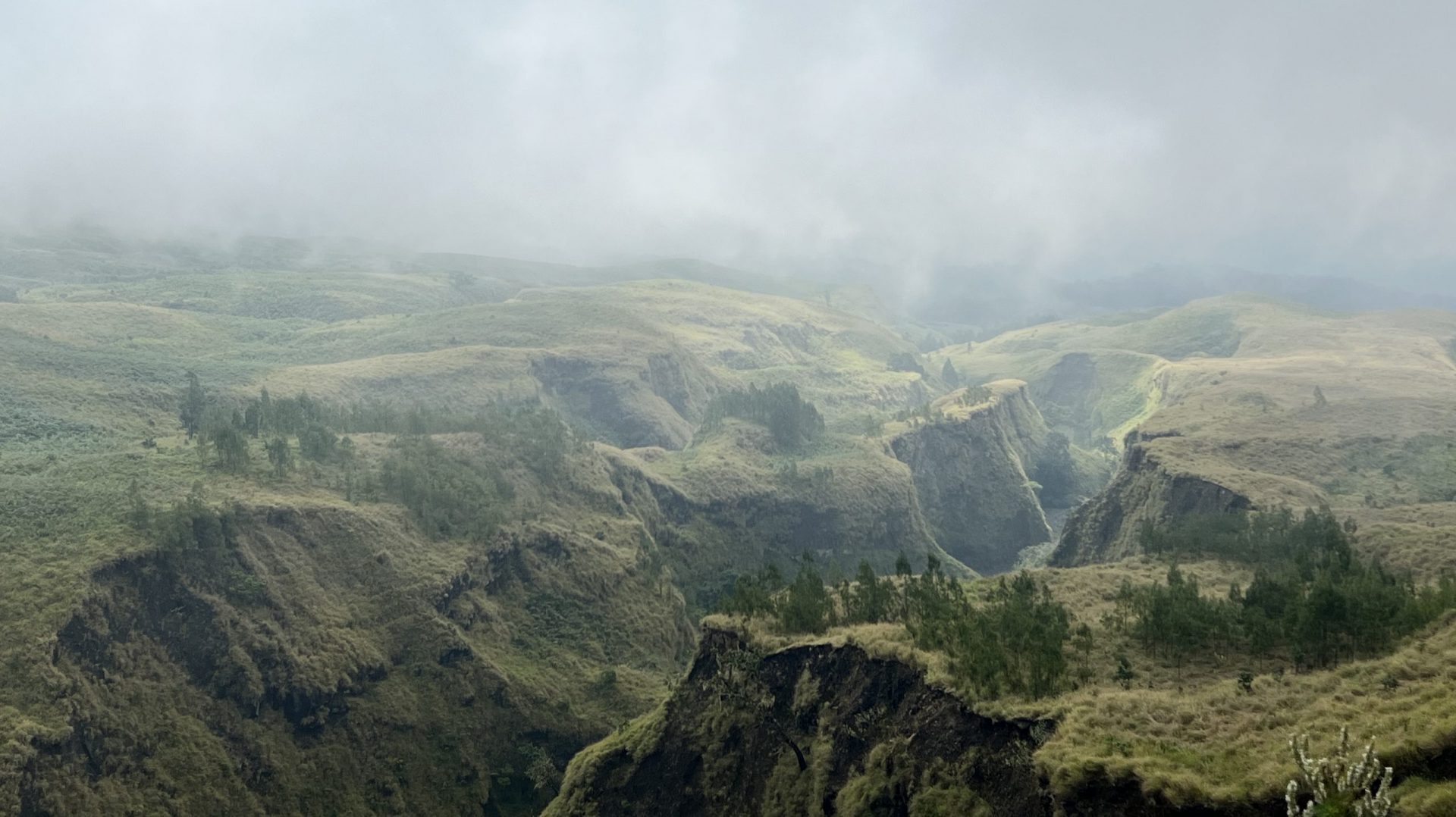
After attending a conference in Bali in August 2025, I came to Lombok for the Mount Rinjani trek.
Lombok is an island in Indonesia, located east of Bali. Known for its rich biodiversity and well-preserved, pristine ecosystems, it is a must-visit destination. Its most famous attraction is the revered trekking destination, Mount Rinjani.
The genus Tenodera comprises large, robust mantises, typically found in shades of green or brown for camouflage.
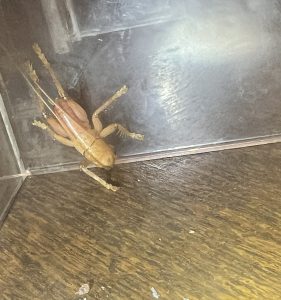
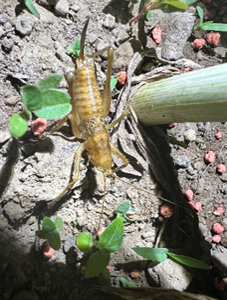
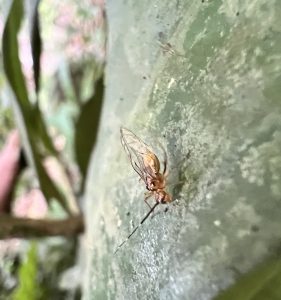
Medium-sized, mostly yellowish-brown, with a few in pale green. Antennae extremely long, several times the body length. Vertex blunt and rounded, lacking lateral carinae.
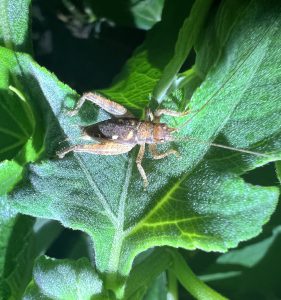
The Oecanthidae are a recently (2022) restored family of crickets based on the type genus Oecanthus Serville, 1831. They include “tree crickets”, “anomalous crickets” and “bush crickets” (American usage) and can be found in warmer parts of most of the world (not the northern Palaearctic, Nearctic or Antarctica).
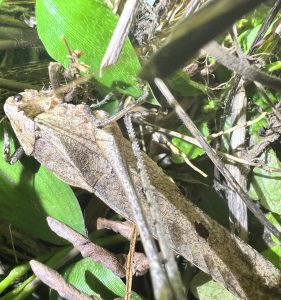
Large in size, with a body length of 50–75 mm (to the wing tips). The body is brown or green. The top of the head, both sides of the pronotum, and the folded areas of the forewings are yellowish-brown.
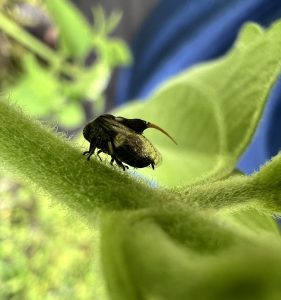
The Machaerotidae (Hemiptera: Cercopoidea) comprise a small, distinct and interesting group of insects mainly inhabiting the Old World tropics.
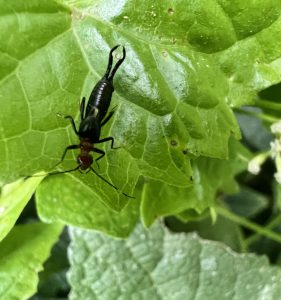
They are famous for their aposematic (warning) coloration, which signals to potential predators that they are dangerous or unpalatable. The body is predominantly jet black, providing a stark contrast. The legs, antennae, and the edges of the connexivum (the exposed abdominal segments) are vividly marked with bright orange or red. The forewings (hemelytra) are black with a distinctive large, central red-orange spot or blotch.
a genus of common barklice in the family Psocidae. There are at least 20 described species in Cerastipsocus