Bark that watches back
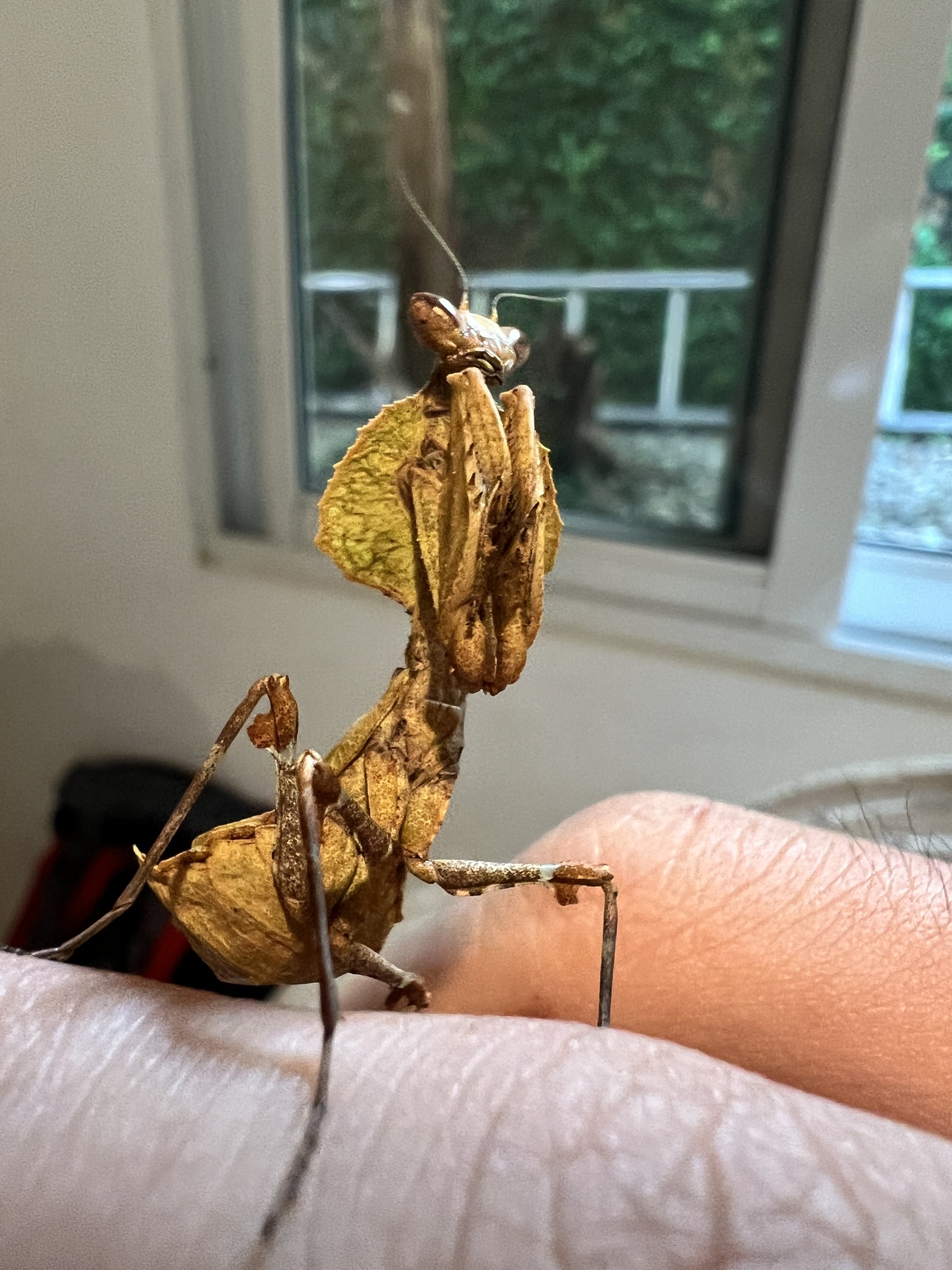
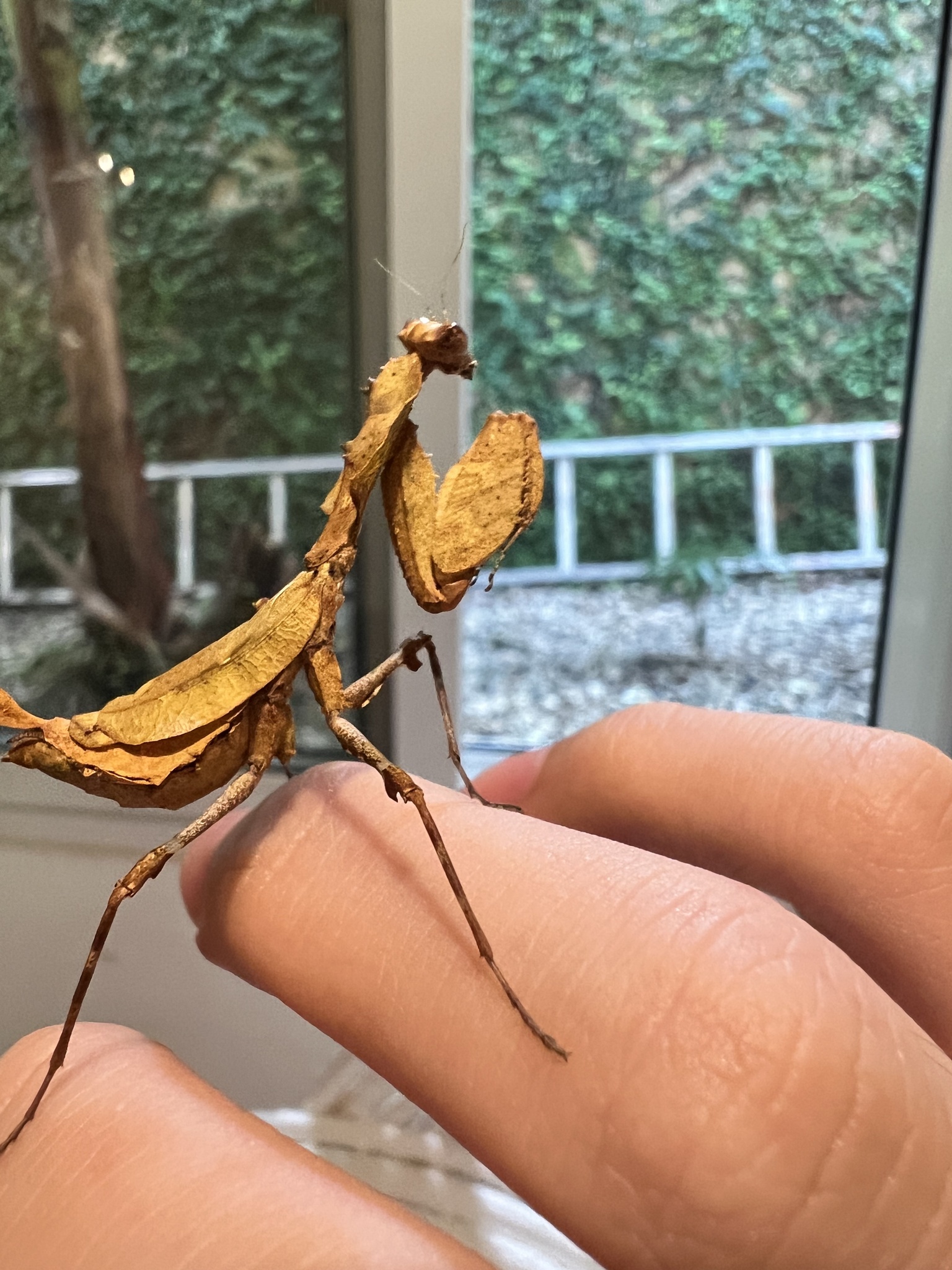
New Year’s Eve in the Dominican Republic, and I was scanning a lichen-covered trunk when a patch of grey bark moved. It was a mantis, pressed so flat against the wood that its body read as part of the lichen-covered bark: mottled greys and browns, irregular edges, nothing about it suggesting an animal. If it had not shifted a leg, I would have walked straight past it. I crouched and inched closer, and only then did the full shape resolve: head, folded forelegs, and a body that belonged to the trunk.
This is Epaphrodita musarum, a member of the lichen mantis family Epaphroditidae in the order Mantodea. This is a small, mostly Caribbean family whose members have given up on looking like leaves or flowers and instead imitate the crusty lichens that cover old bark. Their bodies are flattened, their outlines broken up with lobes and ridges, and their coloration blends into the grey-green film that grows on trunks all over the islands.
It is an ambush strategy in its purest form. The mantis simply sits, indistinguishable from its perch, until a small insect wanders into reach, then the raptorial forelegs snap out and the meal is over before the prey understands what happened. Everything about the animal is built for that single moment.
The species name musarum means “of the Muses,” which seems a poetic label for such a practical disguise. But standing there, staring at bark that was secretly watching me back, I thought the name was exactly right.