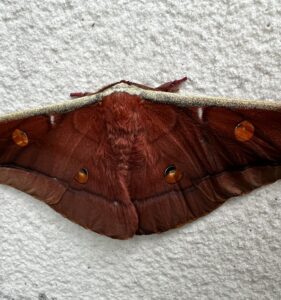
A giant silk moth fresh from the monsoon dark
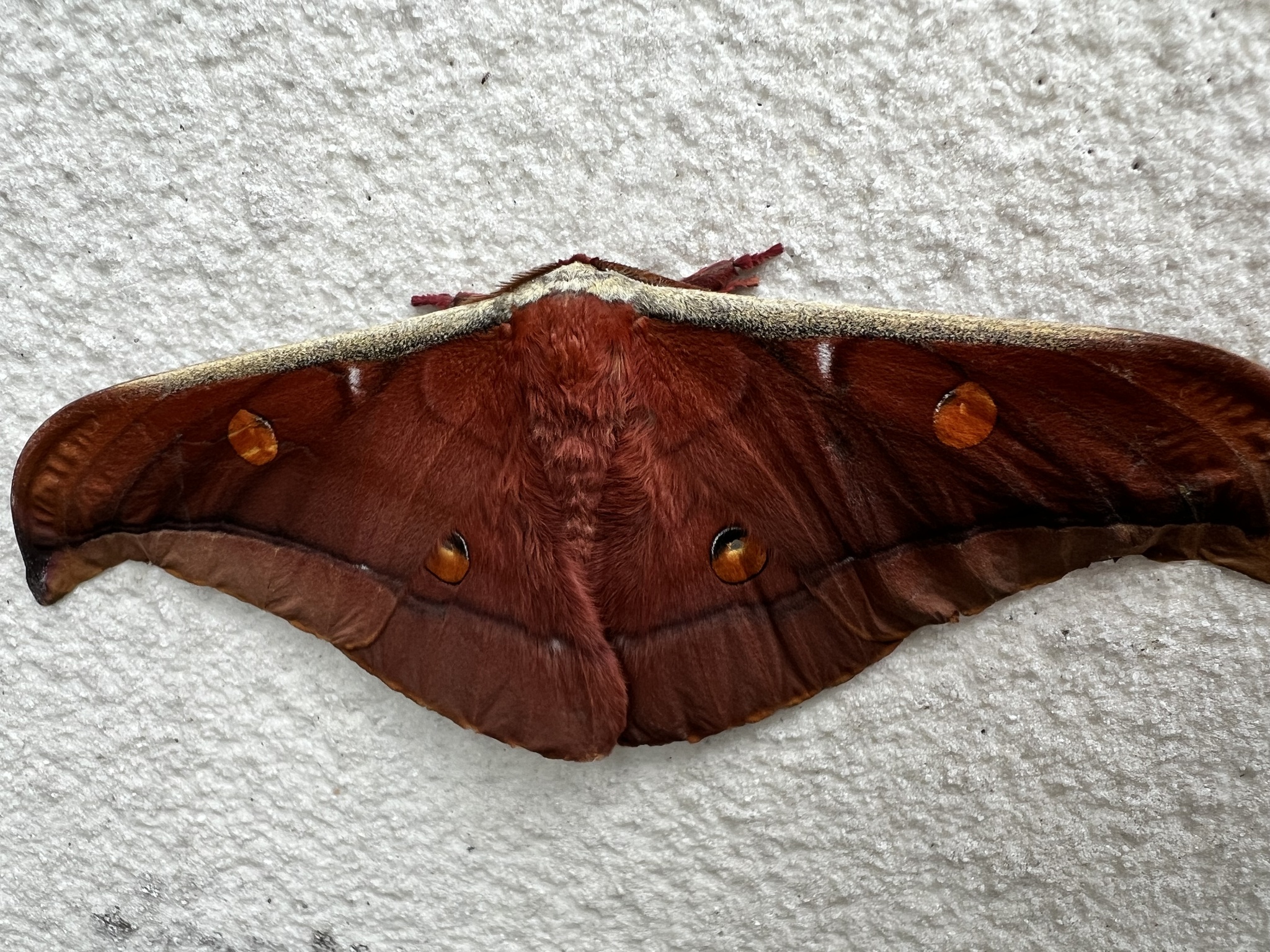
Late one August night in Medog, this moth came to the light and instantly silenced the room. It was huge, its wings patterned in rich browns and tan, with clear eyespots and softly scalloped edges. Like most giant silk moths, it sat calmly, as if it had all the time in the world, which it almost does not.
This is Antheraea formosana, a giant silk moth in the family Saturniidae of the order Lepidoptera. The genus Antheraea includes the famous wild silk moths, whose cocoons have been spun into tasar silk in Asia for centuries. The species name formosana refers to Formosa, the old name for Taiwan.
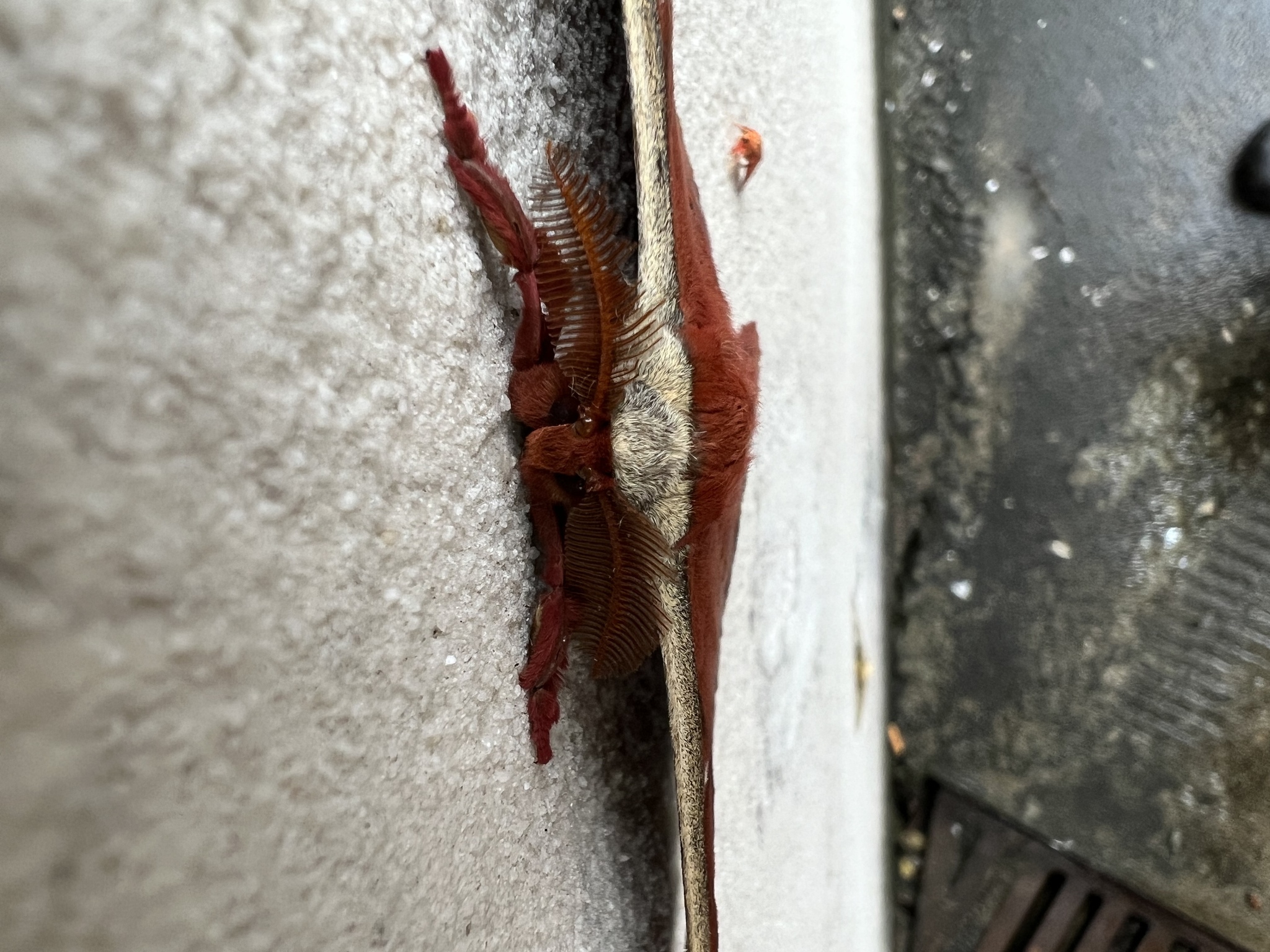
Giant silk moths live on a clock. The adults have no functional mouthparts and never eat; they emerge from the cocoon, find a mate within days, lay eggs, and die. All the feeding happens in the caterpillar stage, which chews through tree leaves for weeks to store the energy for that brief adult flight. The feathery antennae of the males are built like chemical sensors, tuned to find a female across a dark forest. The big eyespots on the wings are thought to startle birds into hesitating, just long enough for the moth to slip away.
Its name points to Formosa, the old name for Taiwan, and meeting it in the wet forests of Medog felt like a glimpse of something ancient and fragile. It would be gone by morning, but for one night it was the biggest, strangest thing at the light.
Enjoyed this one — I have seen a fair number of Antheraea but never A. formosana, so the Formosa name caught my eye. Two things I keep wondering about: are the cocoons of this species ever gathered for tasar silk the way A. mynitta/pernyi are, or is it too localized to matter commercially? And since the adults cannot feed at all, do they really only last a couple of nights before they are too worn to fly? A moth that big must burn through its reserves fast. That line about it being gone by morning is a good reminder of how short the whole adult stage is.
As far as I know the cocoons are not harvested commercially. Tasar silk comes mainly from A. mylitta in India, A. pernyi in China, and the assamensis group, all of them widespread and abundant enough to support a trade. A. formosana is localised, and in Taiwan it has protected status, so it is not a silk species in any practical sense.
On adult life, you have the mechanism right. With no functional mouthparts the adults run on larval fat and nothing else, and the usual figure for large saturniids is something like a week, often less, with males spending their reserves fast on flight and females dying soon after laying. A couple of active nights, then worn wings and a rapid fade is a fair description. It is one of the reasons the group is so tied to its host plants: there is no second chance to feed.