A soft-bodied hunter in a velvet coat, now with a name
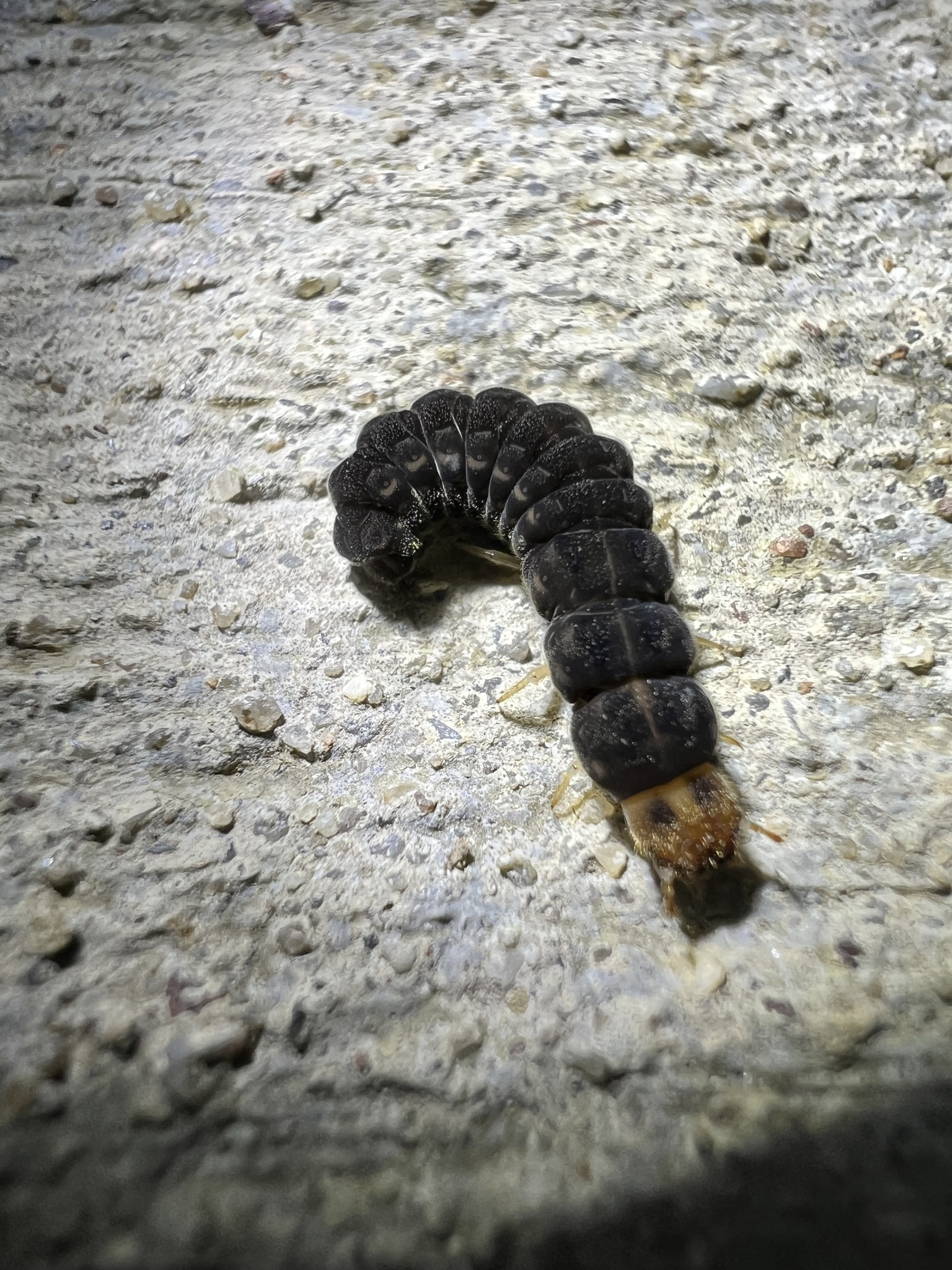
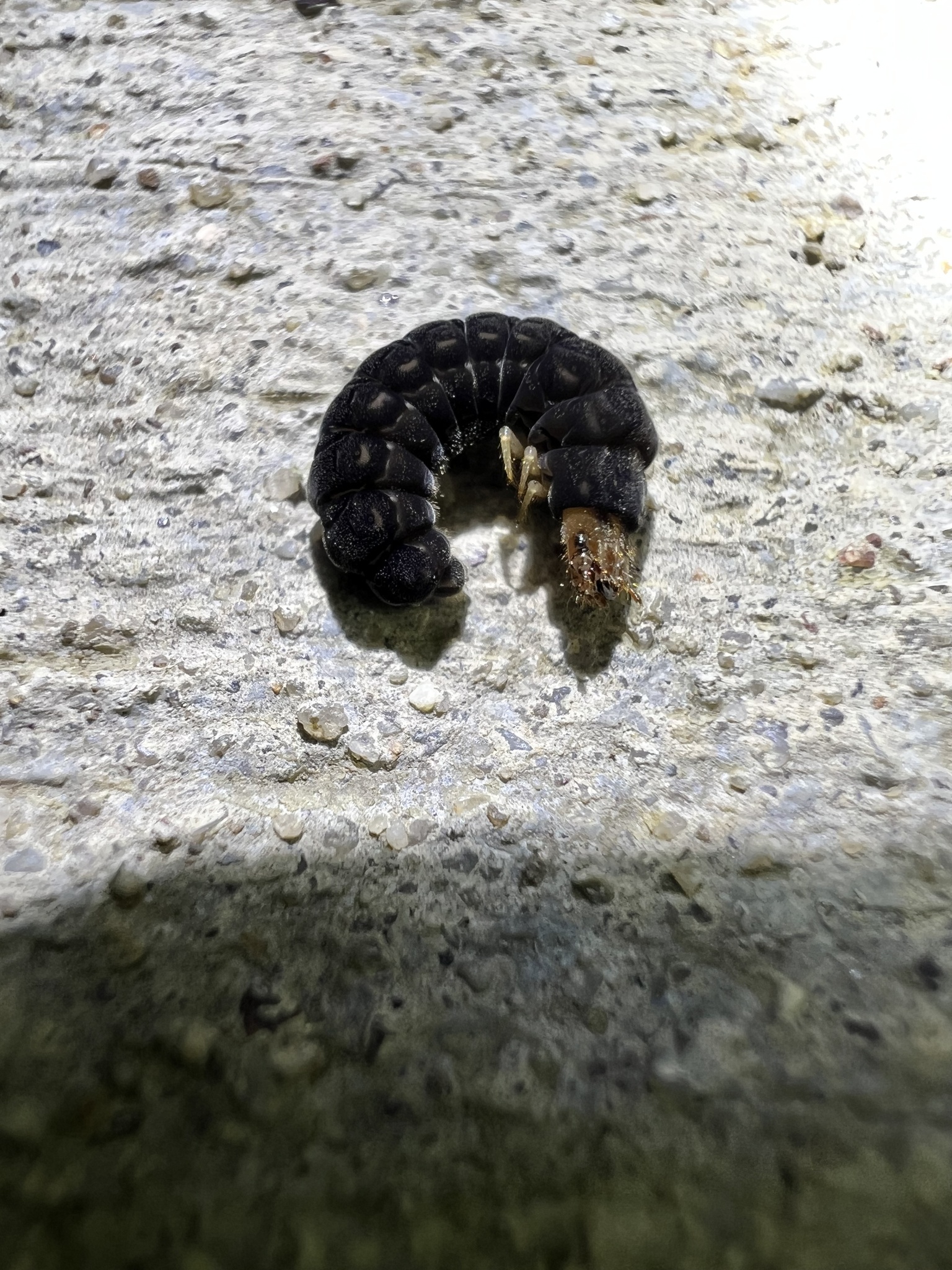
On October 10 in Pittsburgh, a small dark creature was crawling across the concrete, and at first glance it looked like a lost caterpillar. A closer look showed the real story: an elongated, segmented body with a flattened head, moving with the steady determination of something that knows exactly where it is going. It was a beetle larva, out on a mild autumn night to hunt.
This larva has since been identified as Chauliognathus pensylvanicus, the goldenrod soldier beetle, in the family Cantharidae, order Coleoptera. The species-level identification is now a community consensus, confirmed by multiple observers. Chauliognathus larvae look much like firefly larvae: soft-bodied, elongate, dark and short-legged, but they belong to a different family, and the glowing lanterns of Lampyridae are only distant relatives.
Chauliognathus larvae are predators and scavengers, spending months crawling through leaf litter, soil and beneath stones in search of small arthropods and other soft prey. The adults of this species are the familiar orange-and-black soldier beetles that crowd goldenrod blooms in late summer and early autumn across eastern North America, feeding on nectar, pollen and small insects. The family name comes from their red coats, which reminded people of the tunics of soldiers.
October is late in the season for a larva like this, but a warm autumn night is still hunting weather. Its resemblance to firefly larvae is a case of similar lifestyles shaping similar bodies. This one was doing the same patient work its family has done for millions of years: small, dark and determined, patrolling the concrete long after summer’s adults had gone.