A small mantis from the family of flower hunters
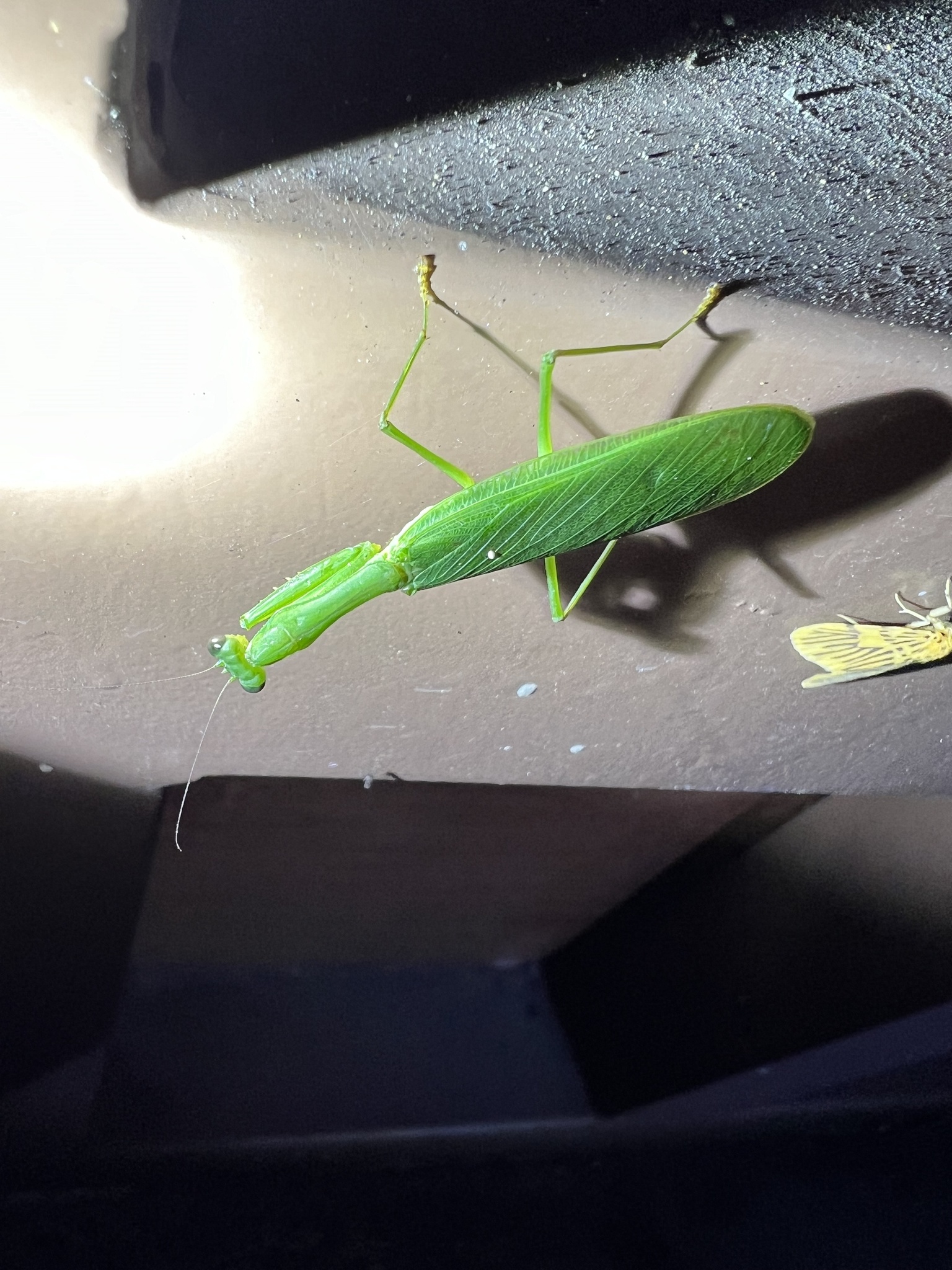
Not every mantis is a giant. This one, found in Medog, Tibet, on 6 August 2024, was small and slender, the kind of insect you only notice when it moves. It held its ground while I looked it over, forelegs folded in the classic mantis pose, ready for whatever came next. Mantises are among the few insects that can turn their heads to look over their own shoulder, and this one kept an eye on me the whole time without moving its body.
This is Anaxarcha acuta, a mantis of the family Hymenopodidae (order Mantodea). The name acuta means pointed, a nod to the sharp angles of its small body. It is a far cry from the big axe mantises and stag-horned giants of the same forests, but it hunts the same way: from a motionless perch, by ambush, waiting for an insect to make the mistake of coming within reach.
Hymenopodidae is the family that includes the famous orchid mantis and other flower-mimicking species, whose young resemble blossoms and wait on flowers to ambush visiting bees. Anaxarcha species are less flashy, but they share the family’s patience, and patience is what catches dinner. A mantis may sit in one spot for hours, and it will only ever move quickly once.
The Chinese species of Anaxarcha turn up in records under several names, and recent genetic work suggests there is hidden diversity in the genus, more species than we currently recognise. Finding one in Medog is a small reminder that the mantis family tree still has branches waiting to be named.