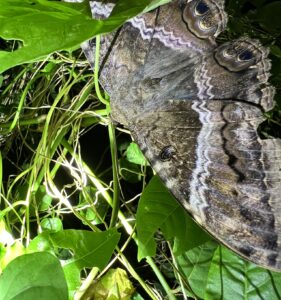
The moth of many legends
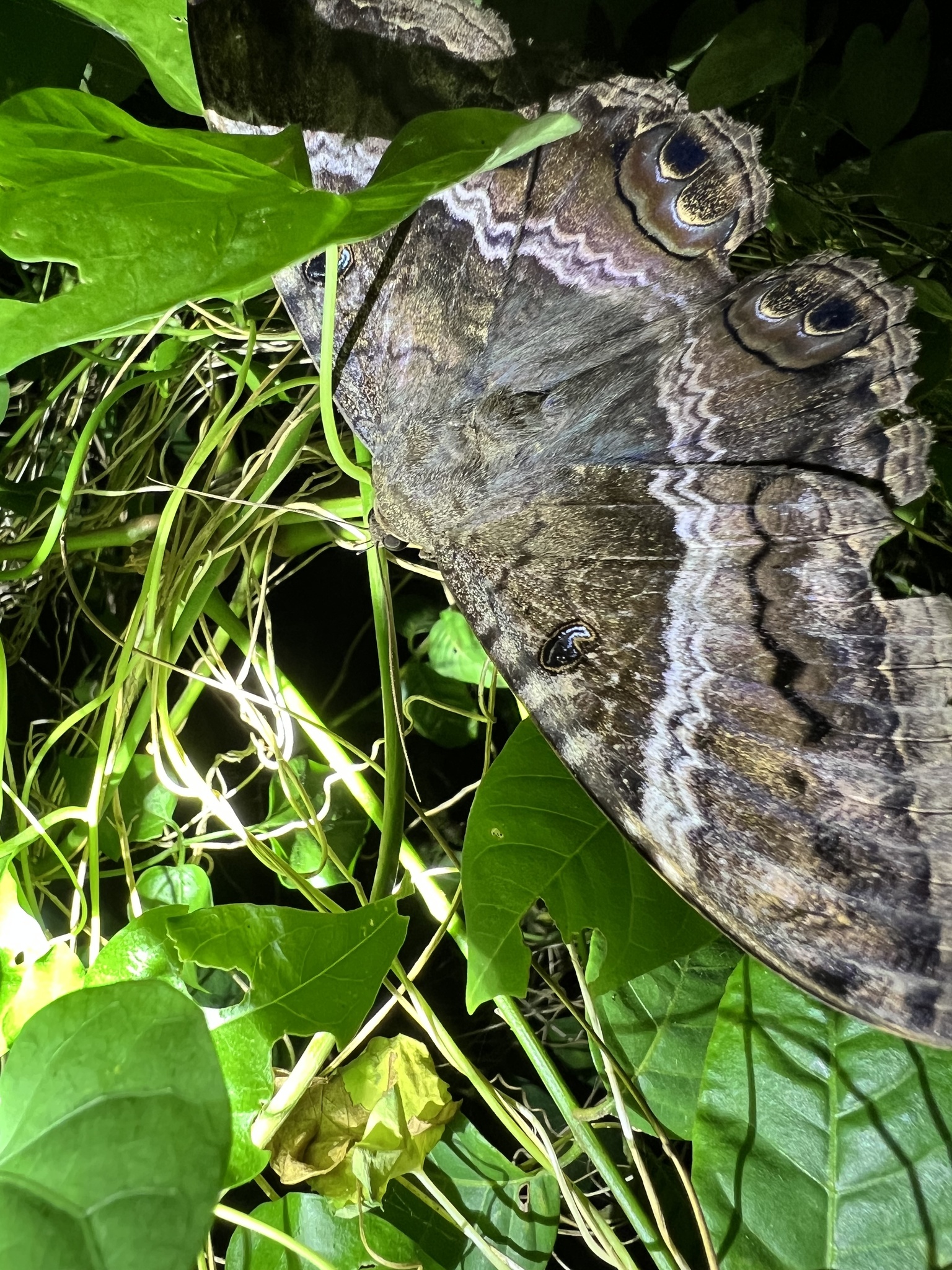
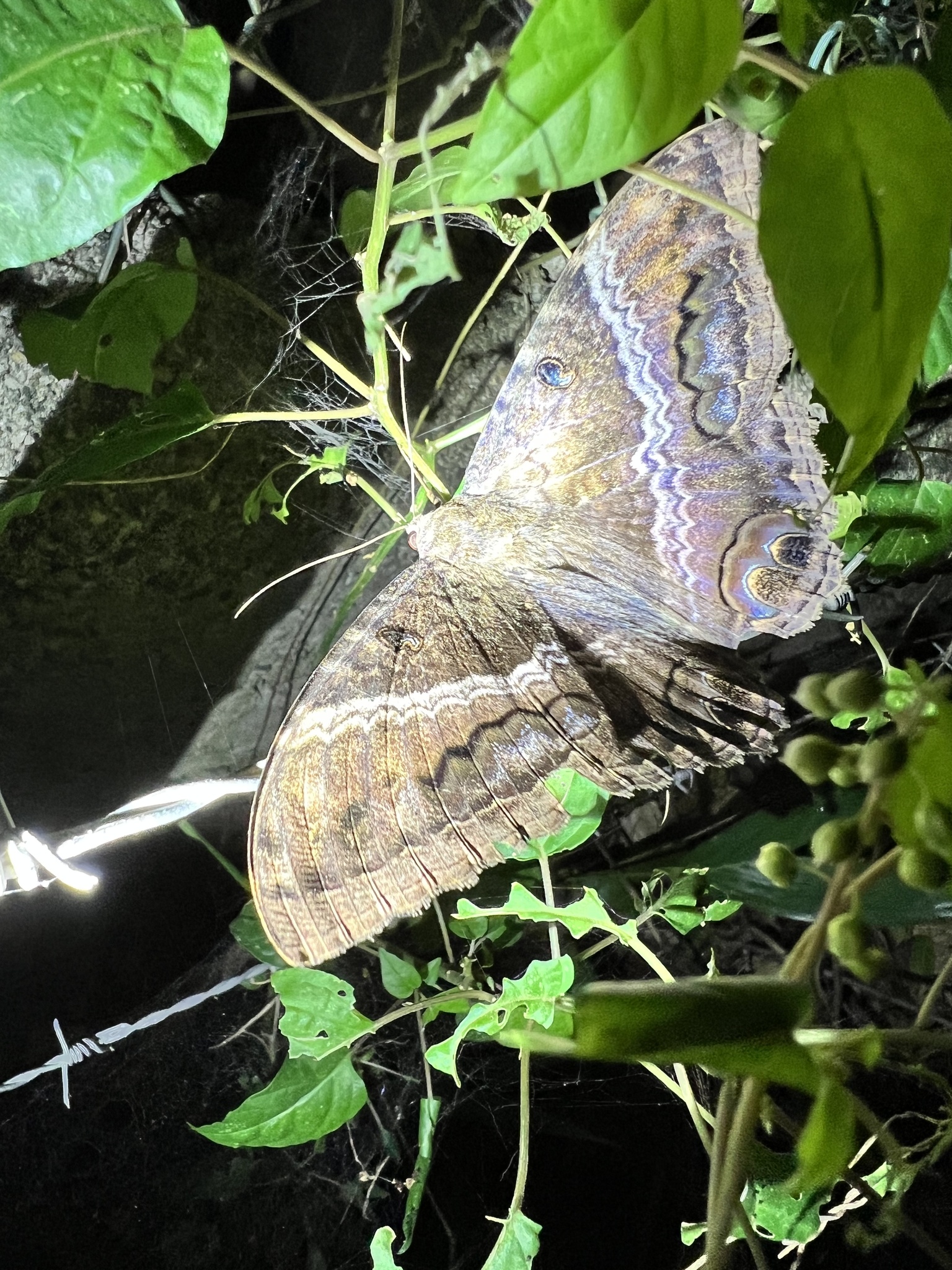
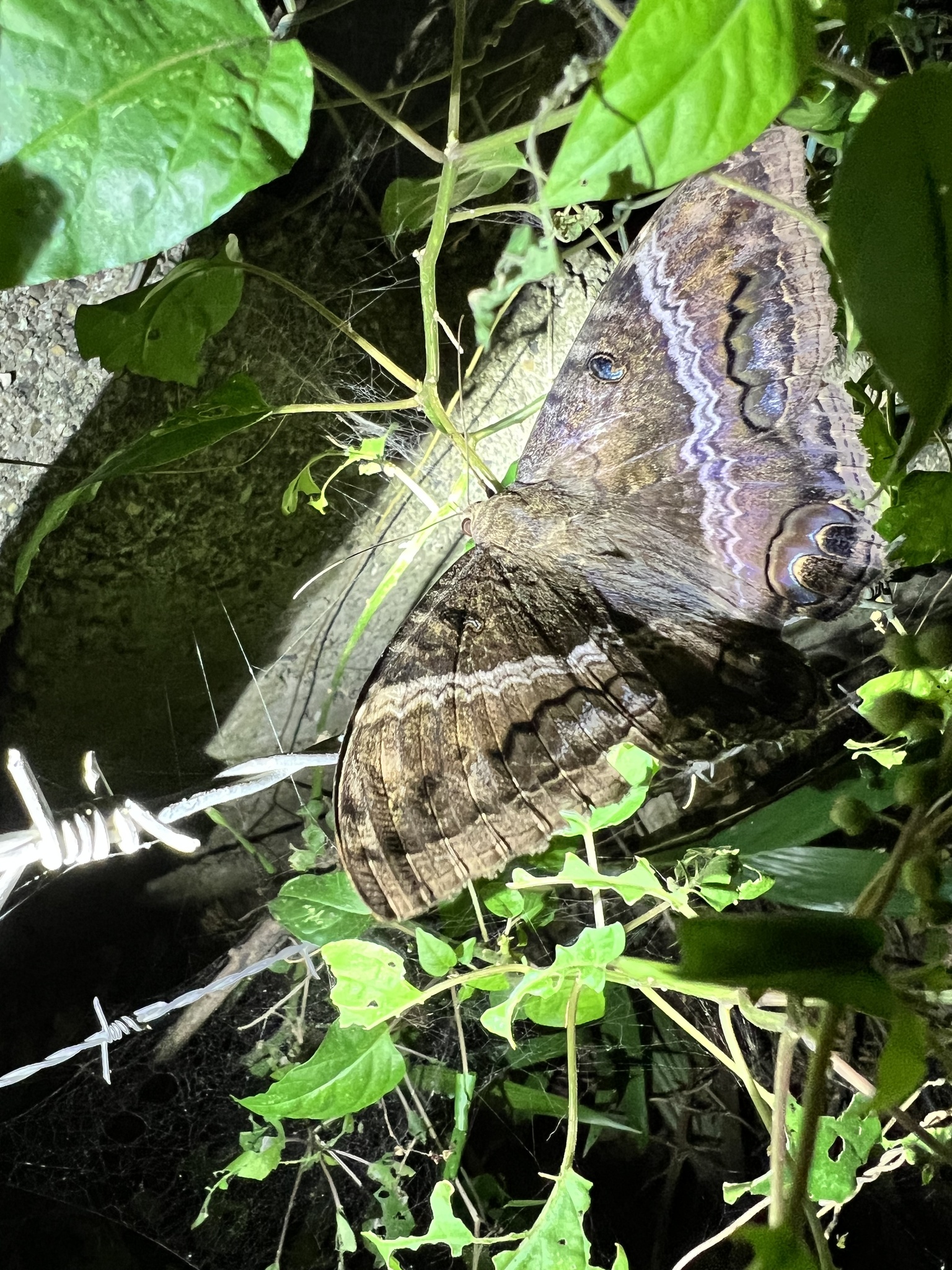
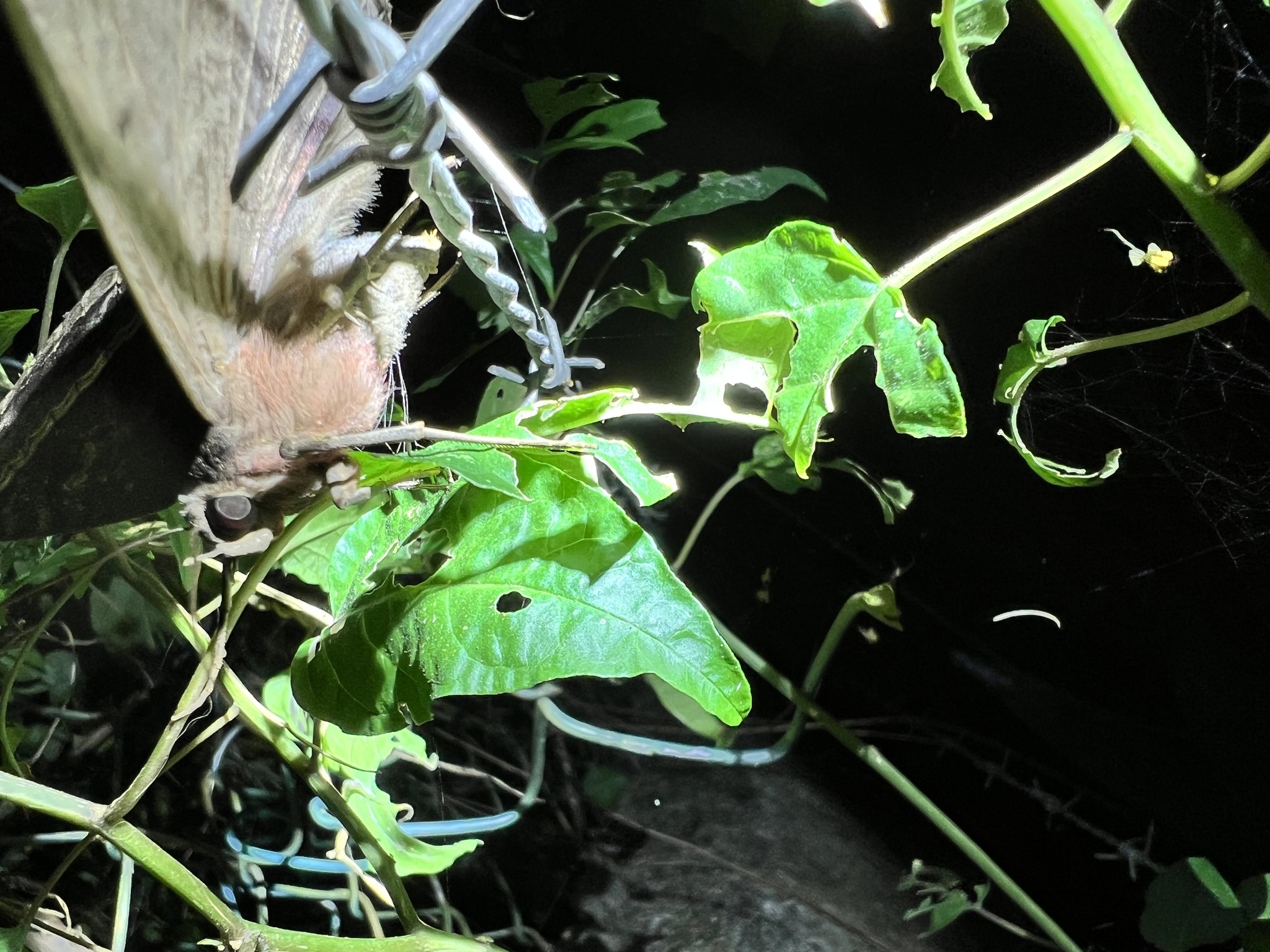
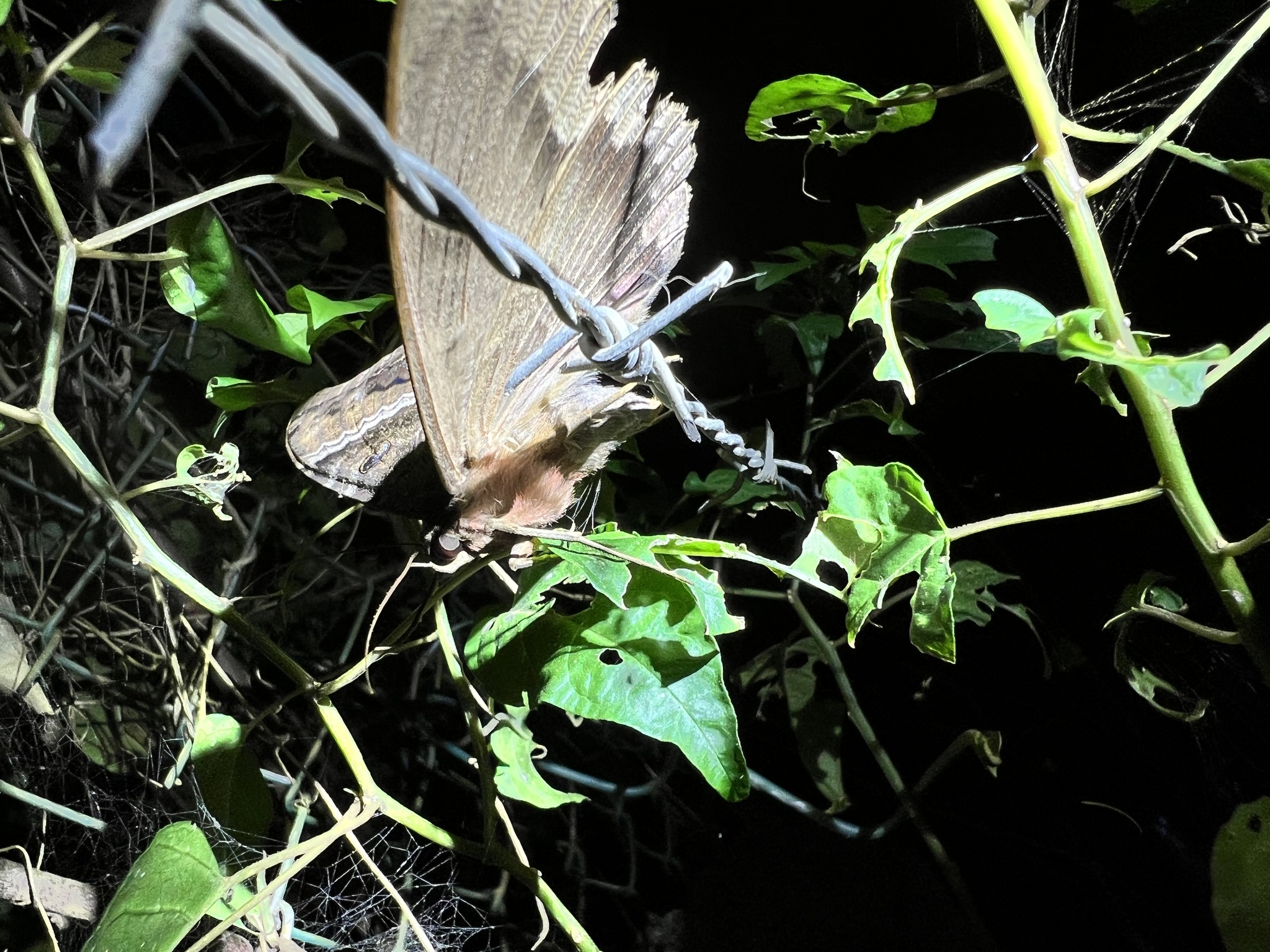
One night in late December, the Dominican Republic, a light on the veranda was doing its usual work, and it had caught something extraordinary. A moth the size of a human hand clung to the wall, its wings dark and scalloped like torn velvet, patterned with bands that shimmered faintly in the glow. It was the largest moth I had seen in years, and it had no intention of leaving.
This is Ascalapha odorata, the black witch, a member of the owlet moth family Erebidae in the order Lepidoptera. It is one of the biggest moths of the Americas, with females reaching wingspans that rival a spread hand, and it ranges from the southern United States through the Caribbean and into South America. Despite its size it is a quiet wanderer, flying at night and drawn to lights, where it often sits for hours like a folded shadow.
Few insects carry as much folklore as this one. In Mexico and the Caribbean it is called the butterfly of death, and old stories say that a black witch entering a house brings bad luck, or sometimes the opposite, depending on who tells the tale. Sailors and travelers have carried versions of the legend across the hemisphere for centuries.
The genus name reaches back to Greek myth, to Ascalaphus, a figure transformed into a bird of night as punishment for speaking out of turn. A moth that appears at dusk and vanishes by morning seems a fitting heir to that story.
Great write-up! The folklore angle got me curious — is the “butterfly of death” belief still common in Mexico and the Caribbean today, or has it mostly faded into an old story? And do the black witches that show up in the southern US migrate up from the tropics each year, or do some populations actually overwinter there?
Still very much alive in rural Mexico and across much of the Caribbean, though it has shifted shape. In older rural communities the mariposa de la muerte is taken fairly seriously, and some tellings flip it entirely, with the moth bringing money or luck instead of death. Among younger people it survives more as a story people half-joke about, but nearly everyone in the region still knows the moth and its name. So it has not really faded, it has gone from belief to cultural shorthand.
On the US populations, it depends where you are. South Florida and south Texas have resident, breeding populations and the adults turn up for most of the year; those moths spend the winter as larvae or pupae in the soil or leaf litter. Everything further north, the Carolinas up into Canada, is seasonal, moths that move north in summer and do not survive the cold. In Mexico the northward flights follow the rainy season, and a good year can push them several hundred miles north of their breeding range.