A flower that waits
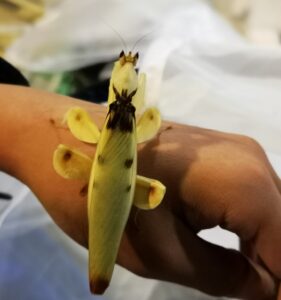
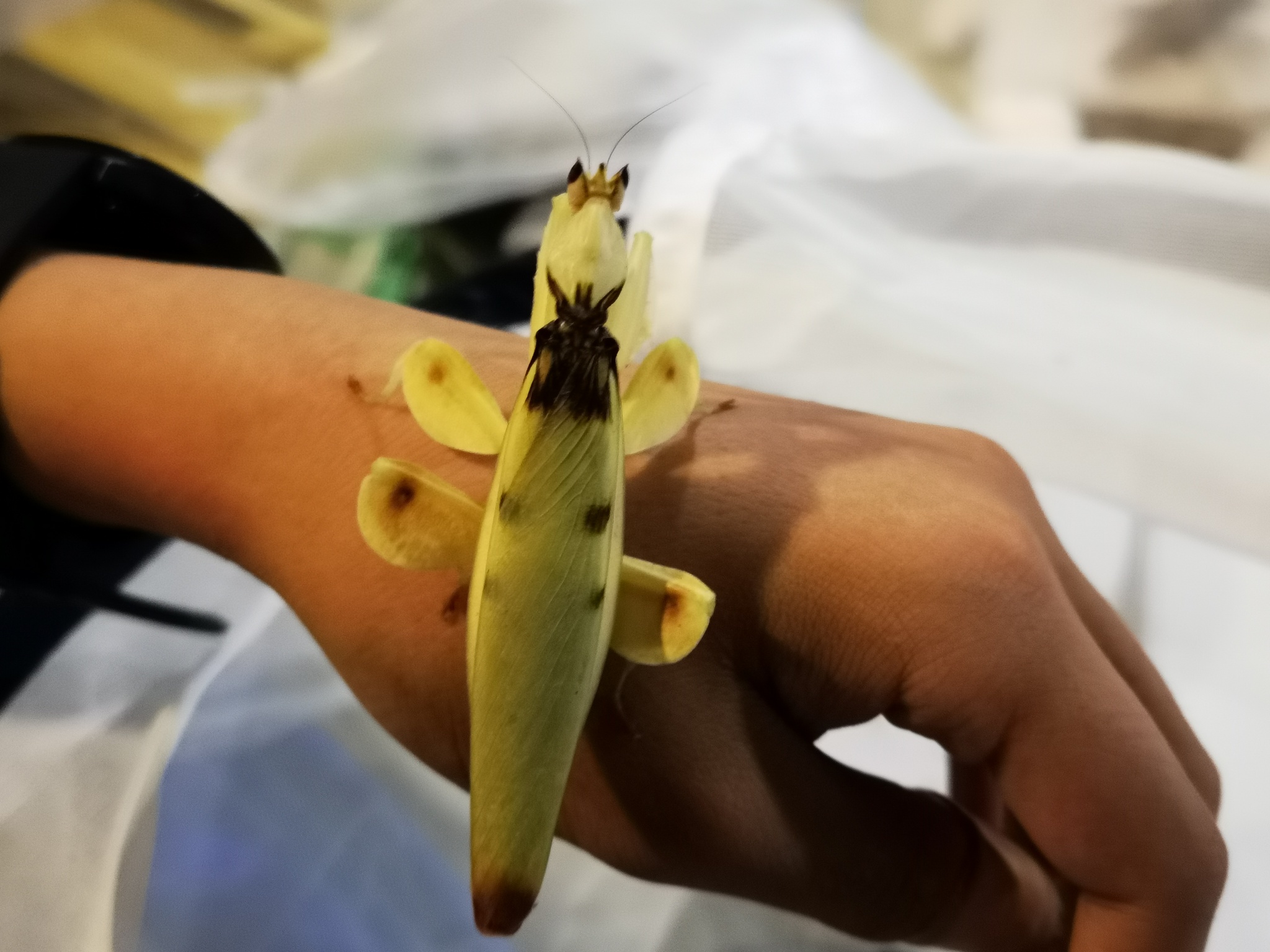
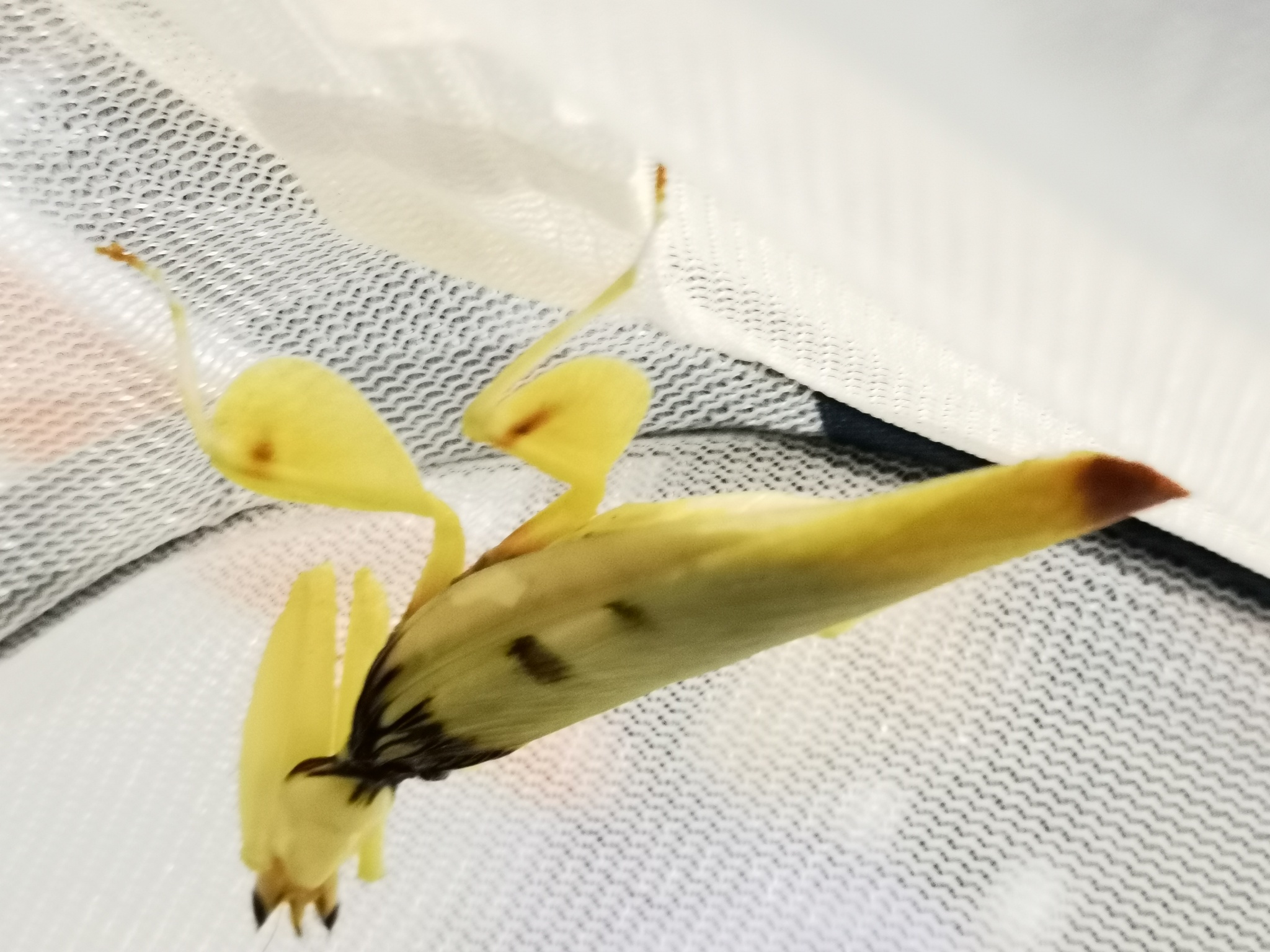
In the forests of Borneo, some flowers are not flowers. This one had legs. The orchid mantis is the most famous disguise artist in the insect world, and seeing one in person is almost surreal: broad, petal-like lobes on its legs, soft pastel colours, and a body that reads as a bloom right up until it moves.
This is Hymenopus coronatus, the orchid mantis, a member of the flower mantis family Hymenopodidae. It is found in the rainforests of Southeast Asia, where it sits among flowers and ambushes the pollinators that come to visit them. Butterflies, bees and flies that stop for nectar can find themselves stopped permanently.
The camouflage is extraordinary, but there is a quiet irony to it: recent genomic work on mantises (2025) has shown that the orchid mantis and the dead-leaf mantises of the genus Deroplatys are close relatives, despite looking almost nothing alike. Evolution dressed two cousins in completely different costumes.
Sexual dimorphism here is extreme: females can be several times larger than males, and the smaller males are far plainer, lacking the petal-like lobes that make females so spectacular. To photograph one in the wild, in its element, is to understand why people travel halfway around the world for a single insect.
Fascinating photos! Since the females mimic flowers to lure pollinators, do the plainer males also use some kind of camouflage, or do they mostly rely on finding females by scent? Thanks for sharing!
Males take a completely different route. They don’t mimic flowers at all. A male orchid mantis is tiny (around 25-30 mm, less than half the female’s length), plain brownish, and basically built to stay unnoticed: that dull color works as camouflage against dead leaves and bark, and unlike the heavy females, they’re strong fliers. Their whole job is to find a female, and they do it mostly by scent. Female mantises release sex pheromones, and males follow the chemical trail, often flying at night. The first putative mantis sex pheromone was identified in Tenodera sinensis (Hurd et al. 2004, J Chem Ecol 30:155-166, doi:10.1023/B:JOEC.0000013187.69131.2d), and mate-finding by smell is the general rule across mantises, orchid mantis included. So the female advertises with flowers to catch prey, the male advertises with pheromones to catch a mate. Quite a division of labor.