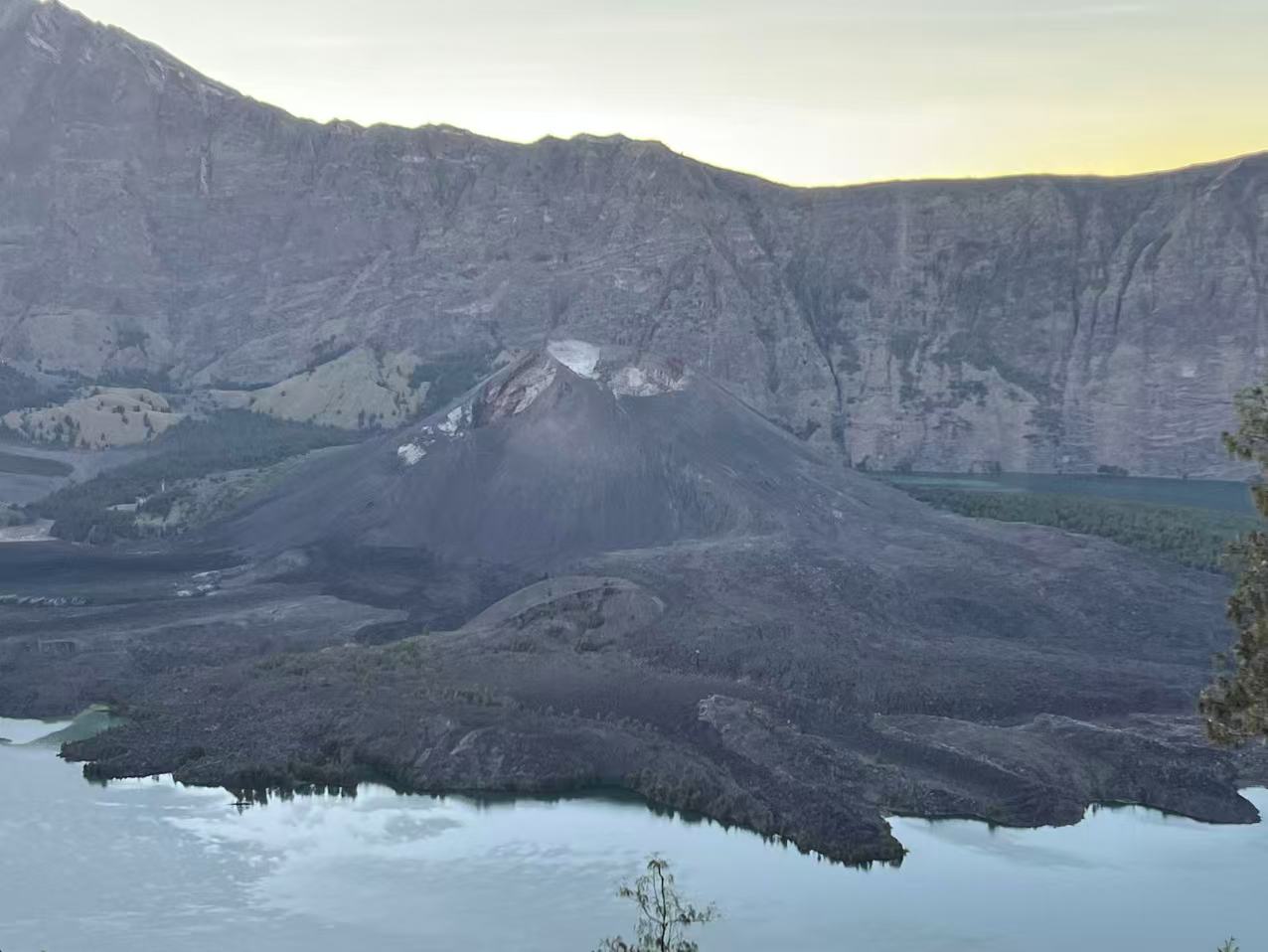
A 3,726-meter insect diary from Mount Rinjani, Lombok, August 2025
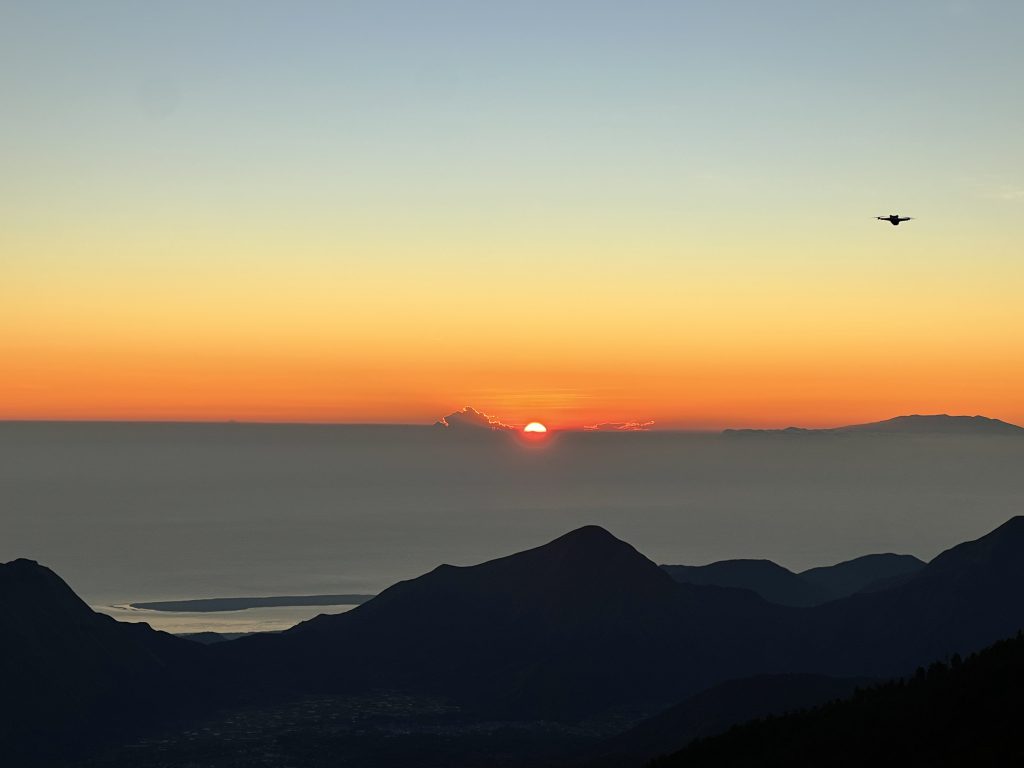
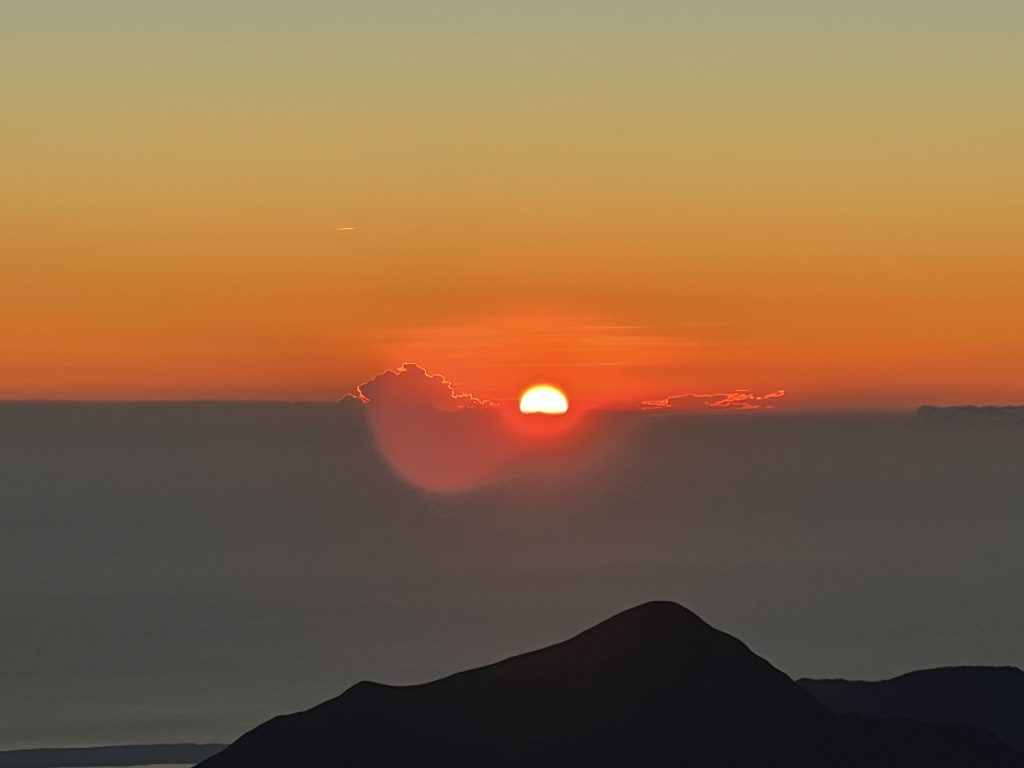
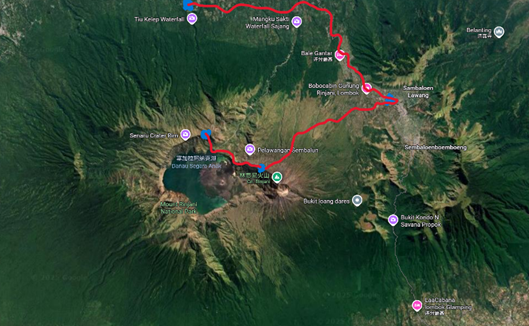
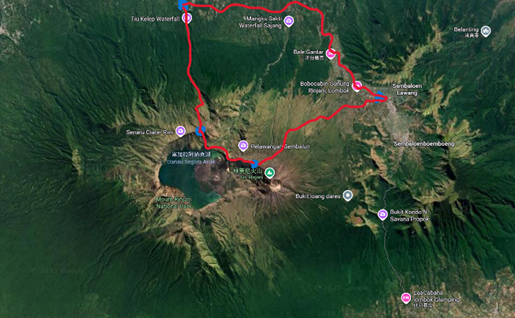
When my conference in Bali ended in August 2025, I did what any sane bug nerd would do: I caught a ferry to Lombok and started climbing Mount Rinjani. At 3,726 meters, it is Indonesia’s second-highest volcano. Most hikers go up for the sunrise over the crater lake. I went up for the insects. As it turned out, we both got what we came for.
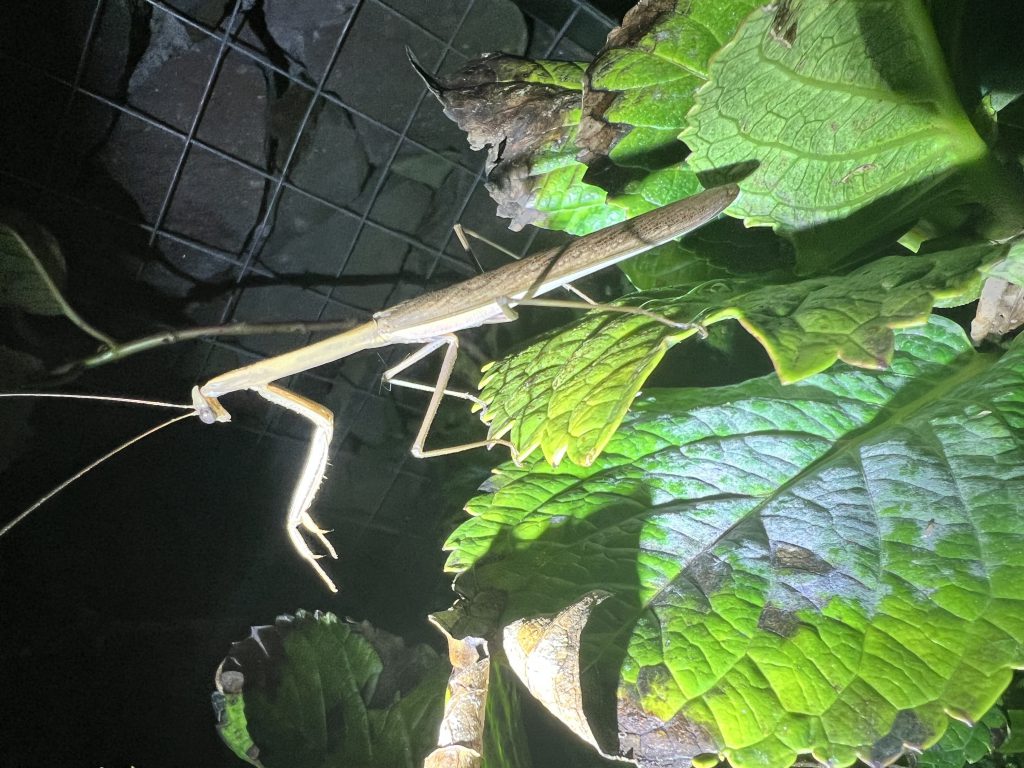
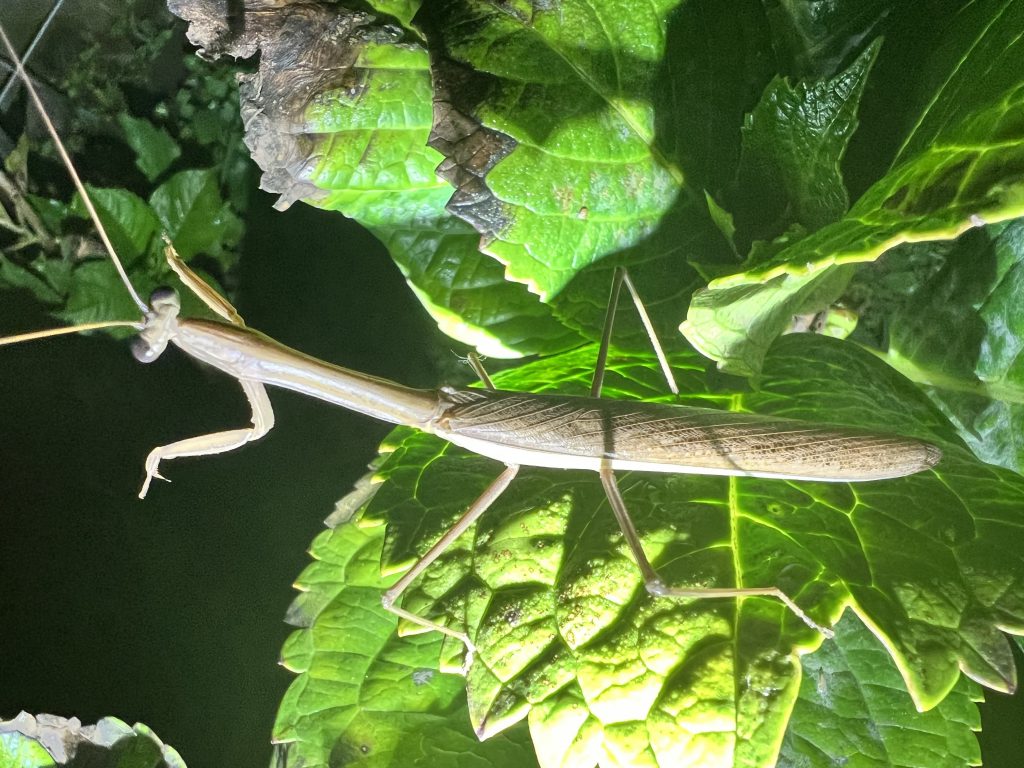
The trek starts in lush lowland forest, and within the first hour I had already made my first friend. A large mantis sat motionless on a leaf, a green shadow pretending to be a twig. It was a Tenodera, one of those big, robust mantises that can exceed 10 centimeters. Look closely and you will see the black-banded spot on the inside of its forecoxae, its ID card for anyone who cares to read it.
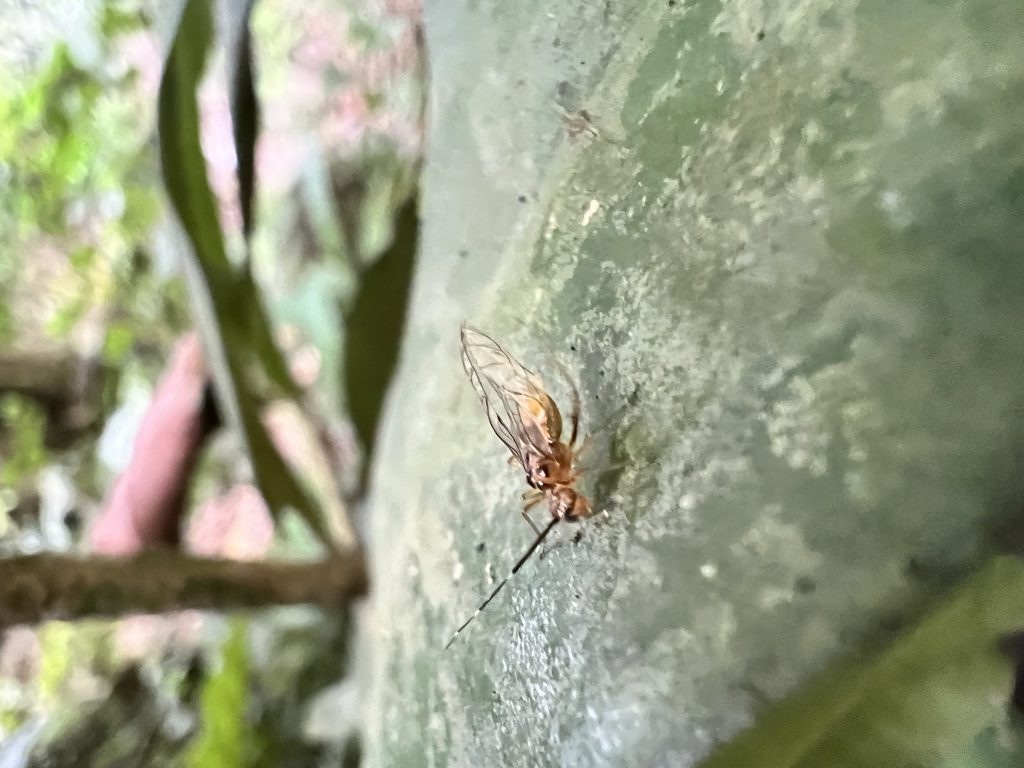
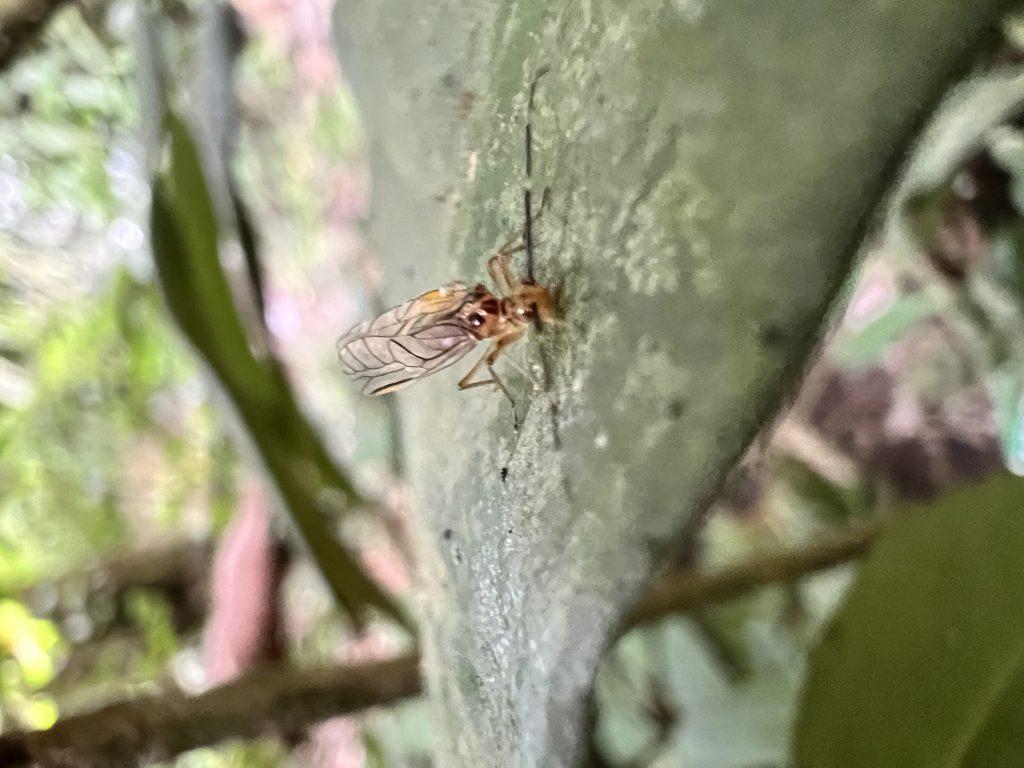
Not far up the trail, a patch of bark seemed to be moving. It was a herd of Cerastipsocus, barklice that graze in conspicuous groups like tiny cattle. There are at least 20 described species in this genus, and watching a crowd of them stream across a trunk, you understand why someone decided to call them tree cattle.
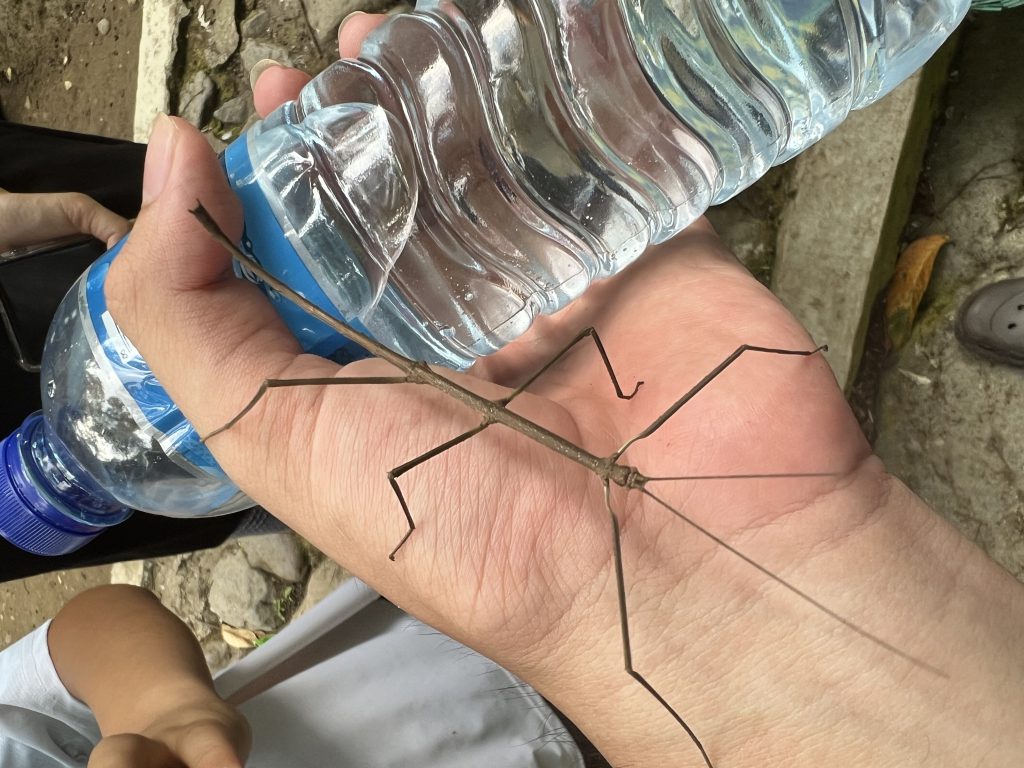
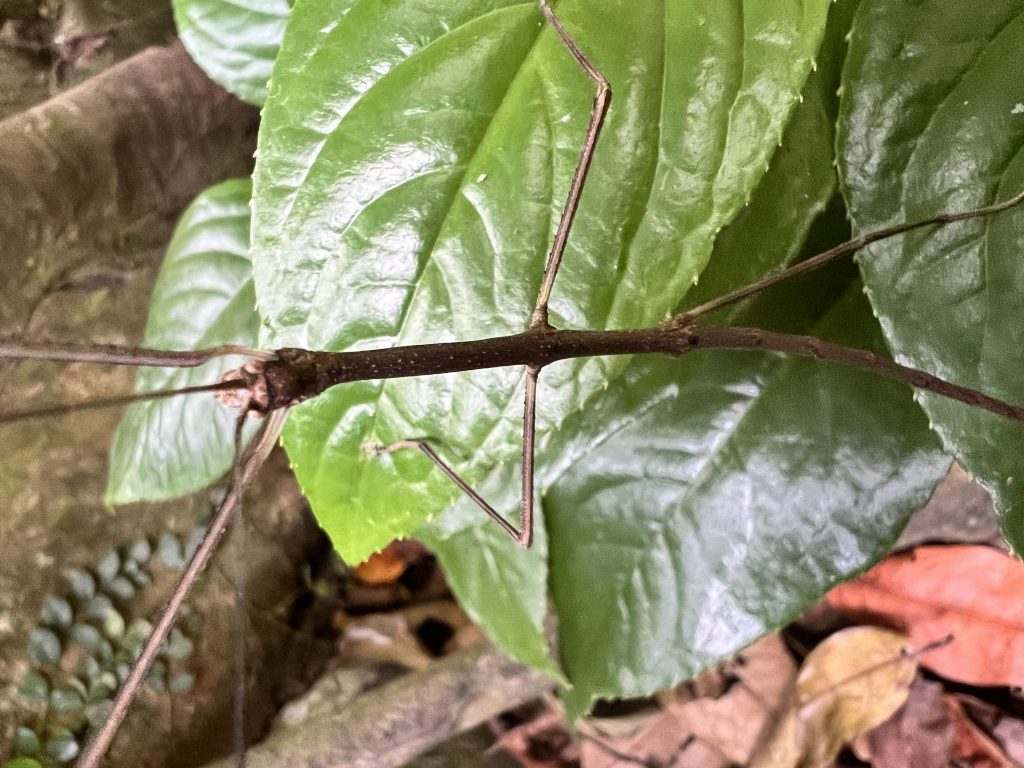
Higher up, a stick insect played its favorite game of being a stick. It belonged to the subfamily Lonchodinae, part of the family Lonchodidae, a group that ranges across Australasia, Asia, Africa and the Pacific. These are masters of stillness. I stared at it for a full minute before I was even sure it was alive.
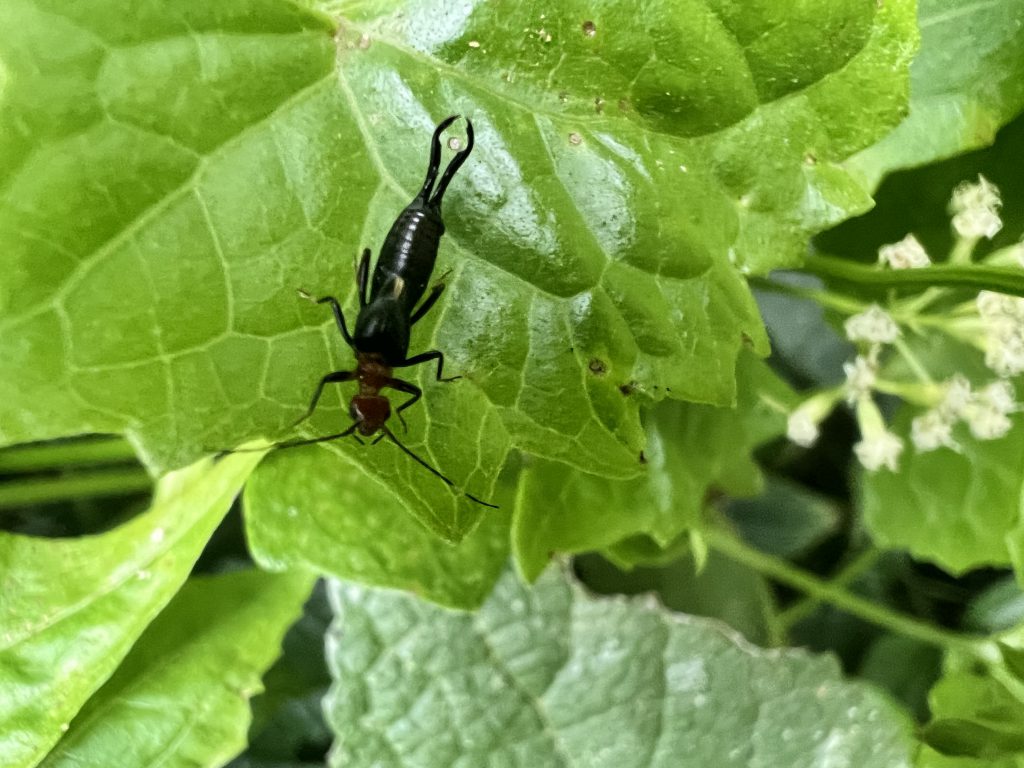
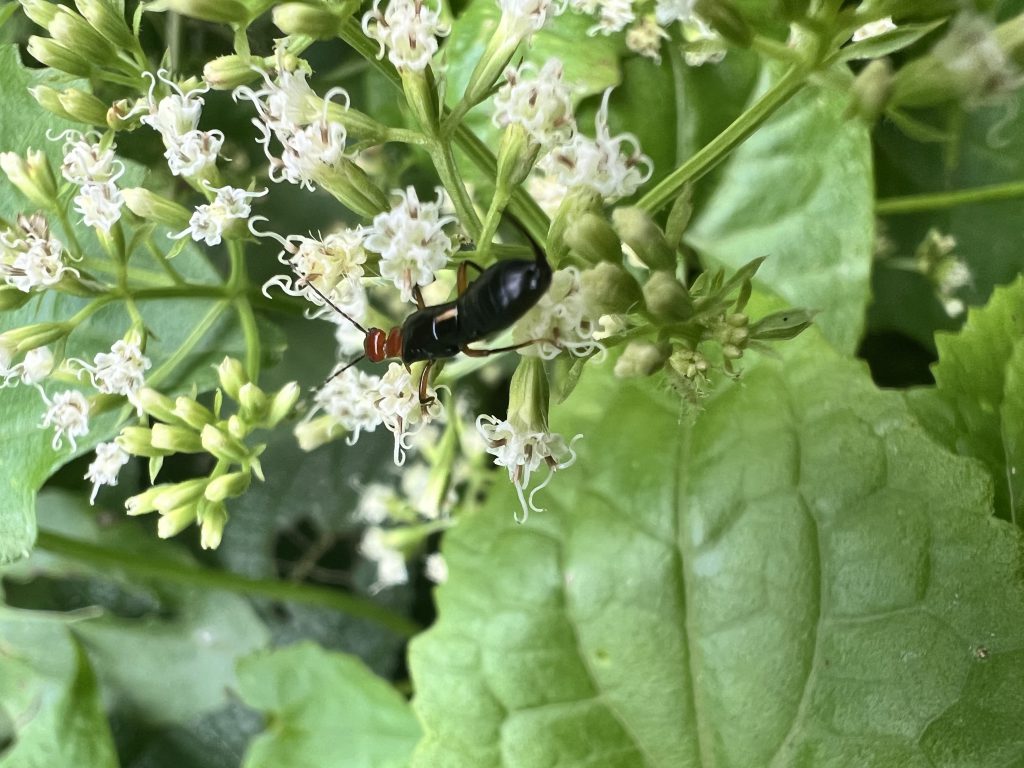
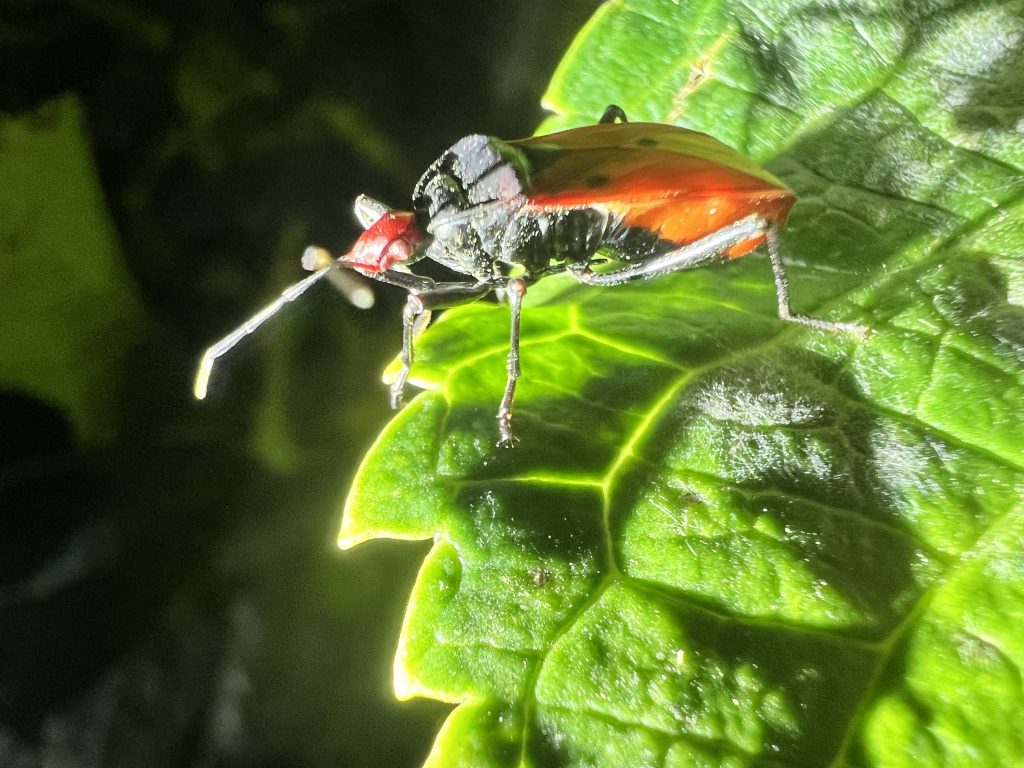
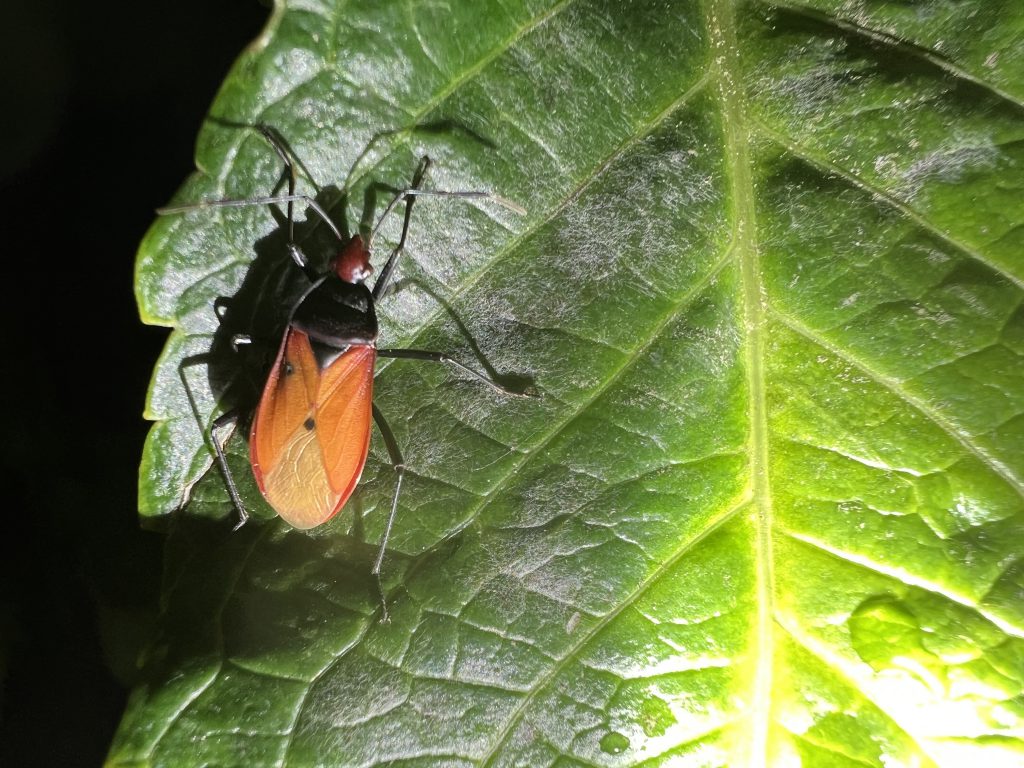
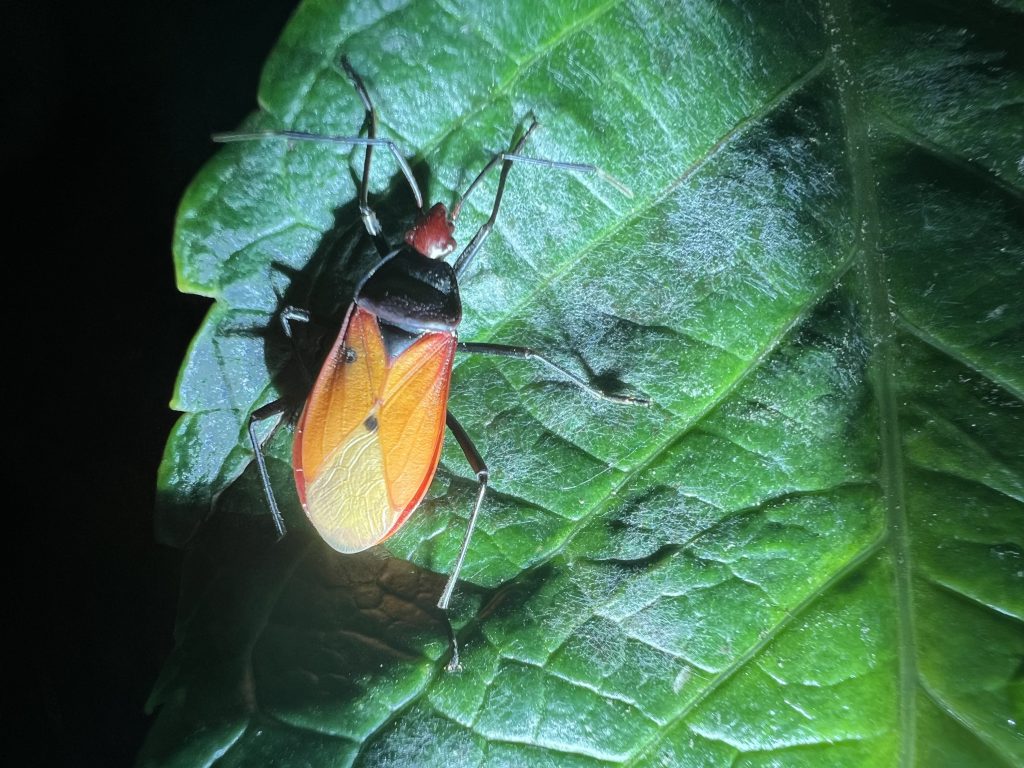
Not everything on Rinjani tries to hide. An Eparchus cruentatus earwig strutted across a leaf wearing the boldest outfit in the forest: jet black, with vivid orange-red legs, antennae and abdominal edges, plus a large red-orange blotch on each forewing. This is aposematic coloration, the insect version of a warning sign that reads: do not eat me.
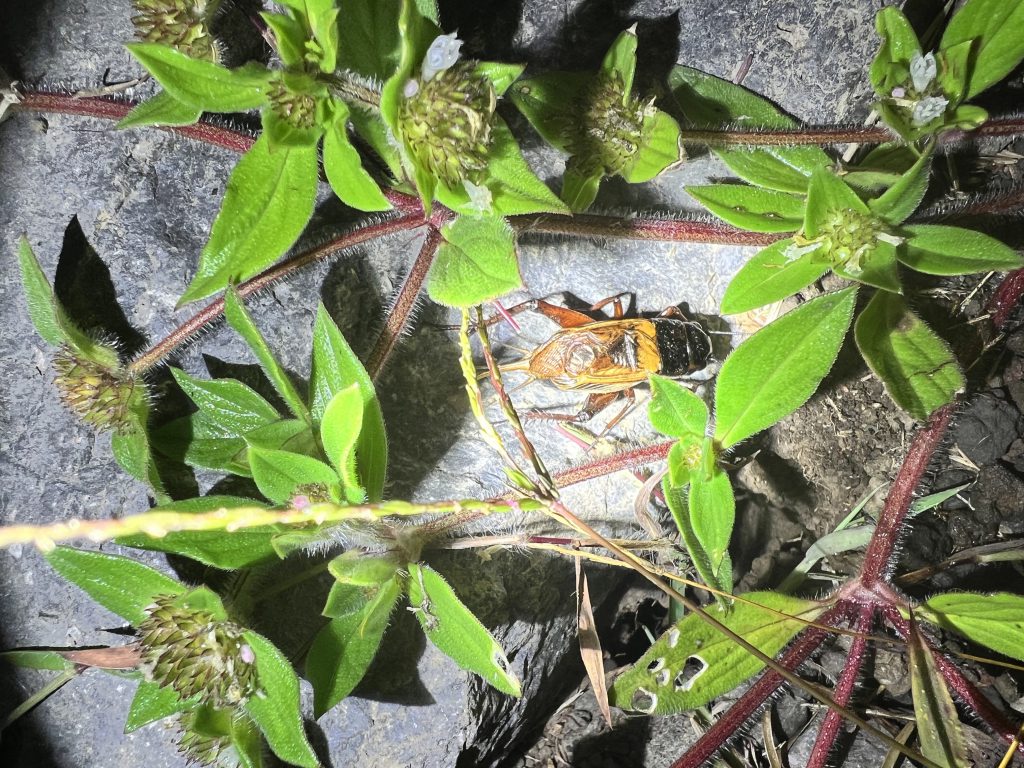
By the second day, the two-spotted crickets had found me. Gryllus bimaculatus is a familiar face across much of Asia, easy to recognize by the two dot-like marks at the base of its wings. It is also famous in the pet trade as feeder food, easy to raise, no winter required. On the mountain, though, it was just another musician in the nightly chorus.
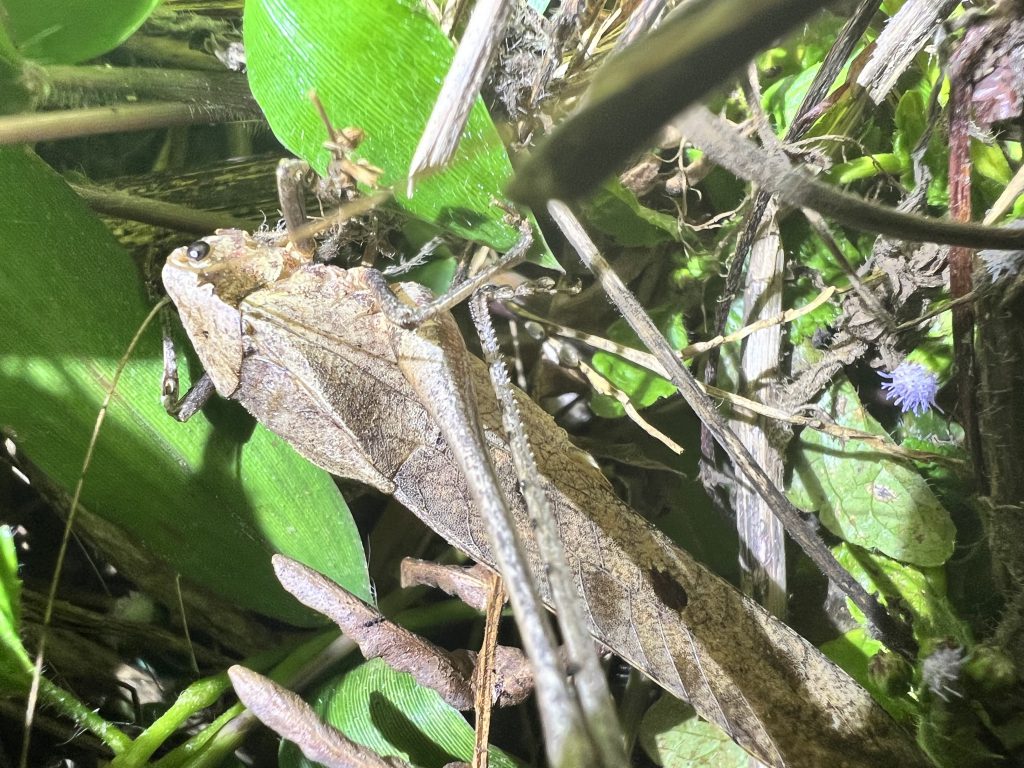
Rinjani’s real stars, however, were the katydids. The mountain seemed to have a different one around every bend. There was Mecopoda elongata, a big brown or green singer reaching 50 to 75 millimeters to the wing tips, its antennae trailing far past its body. There was Eucoptaspis, a quieter member of the family. And there was the giant of the trip: a Pseudophyllus roughly 10 centimeters long, green as a leaf, with a white costa along the basal half of its forewings. It sat on a branch like a piece of the forest that had decided to grow legs.
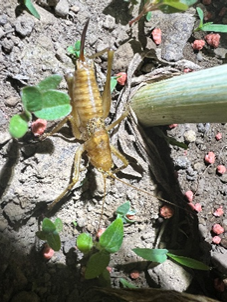
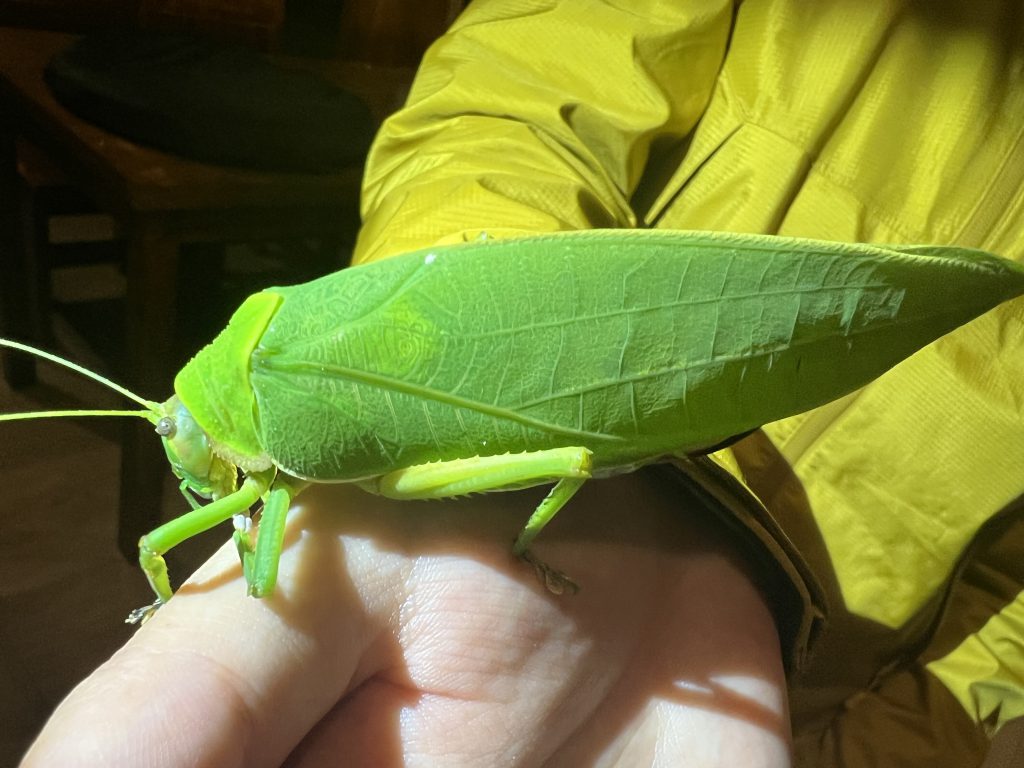
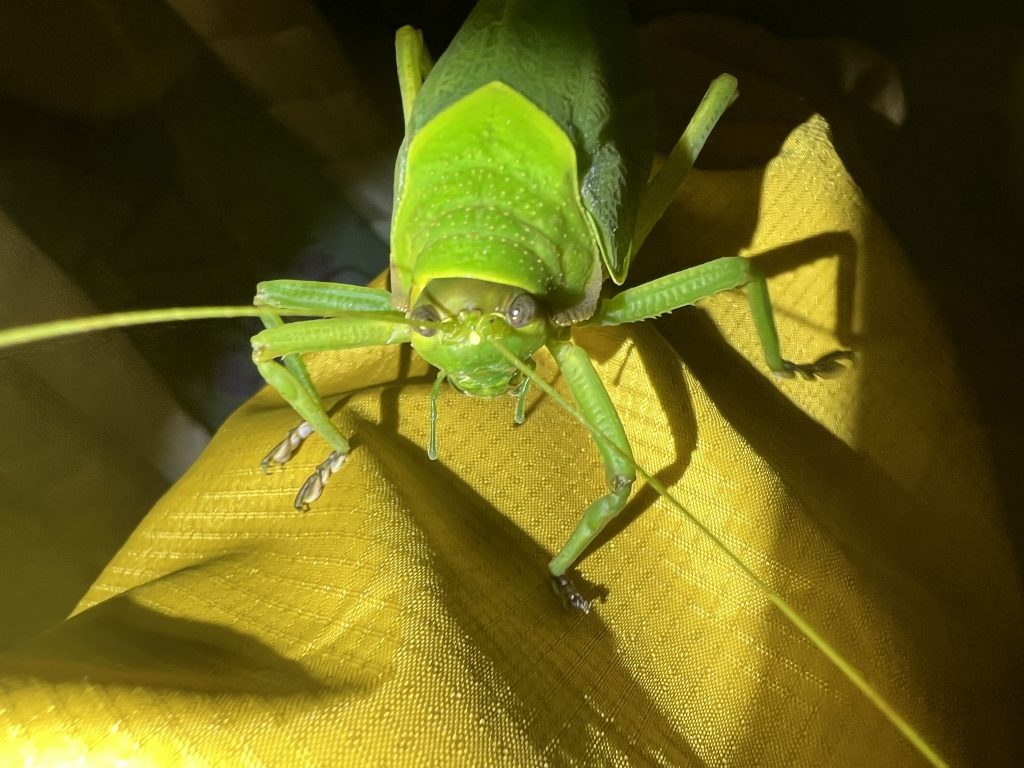
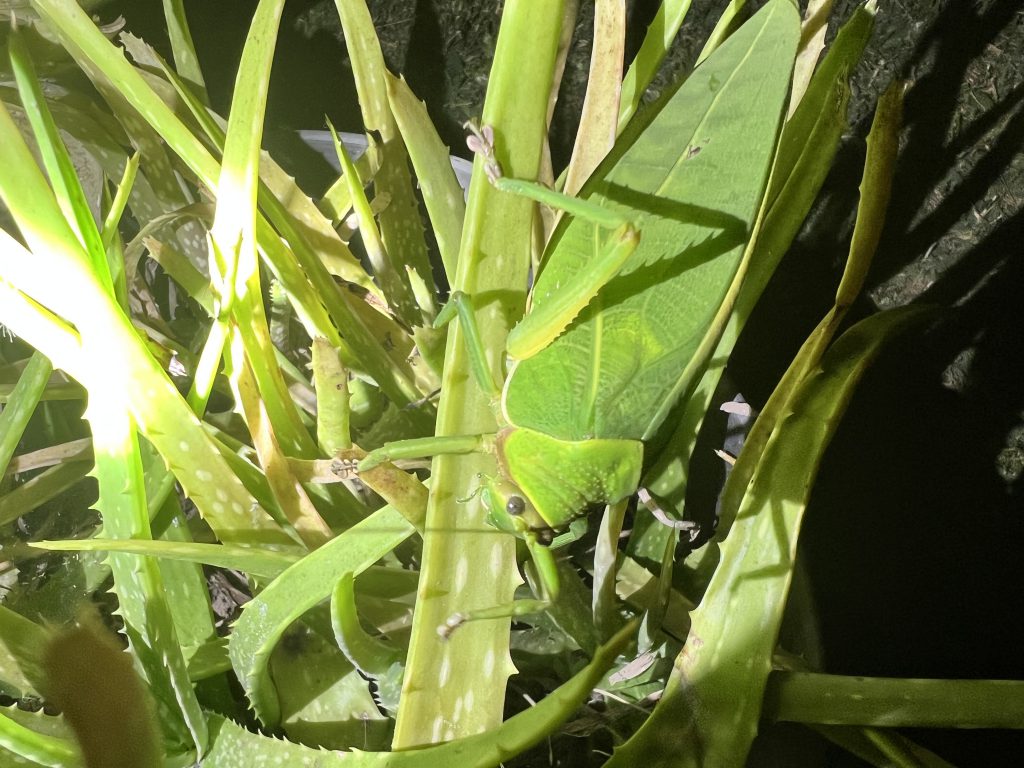
At night, the undergrowth buzzed with crickets I could hear but rarely see, including members of the subfamily Podoscirtinae. Their family, Oecanthidae, was only restored in 2022, a reminder that cricket taxonomy is still very much a work in progress.
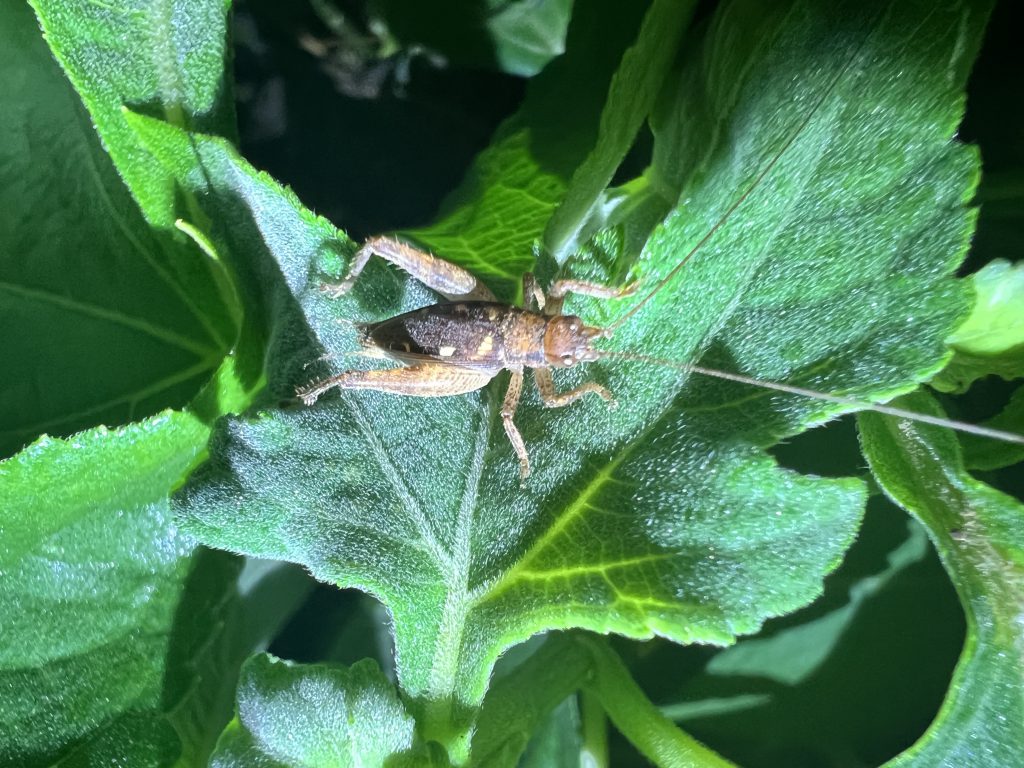
One evening, a pale, long-legged silhouette appeared on a fern, antennae several times its own body length. It was Camptonotus, a member of the family Gryllacrididae, the raspy crickets. Males of this genus lack stridulatory organs, so this one sang not with its wings, but with its silence.
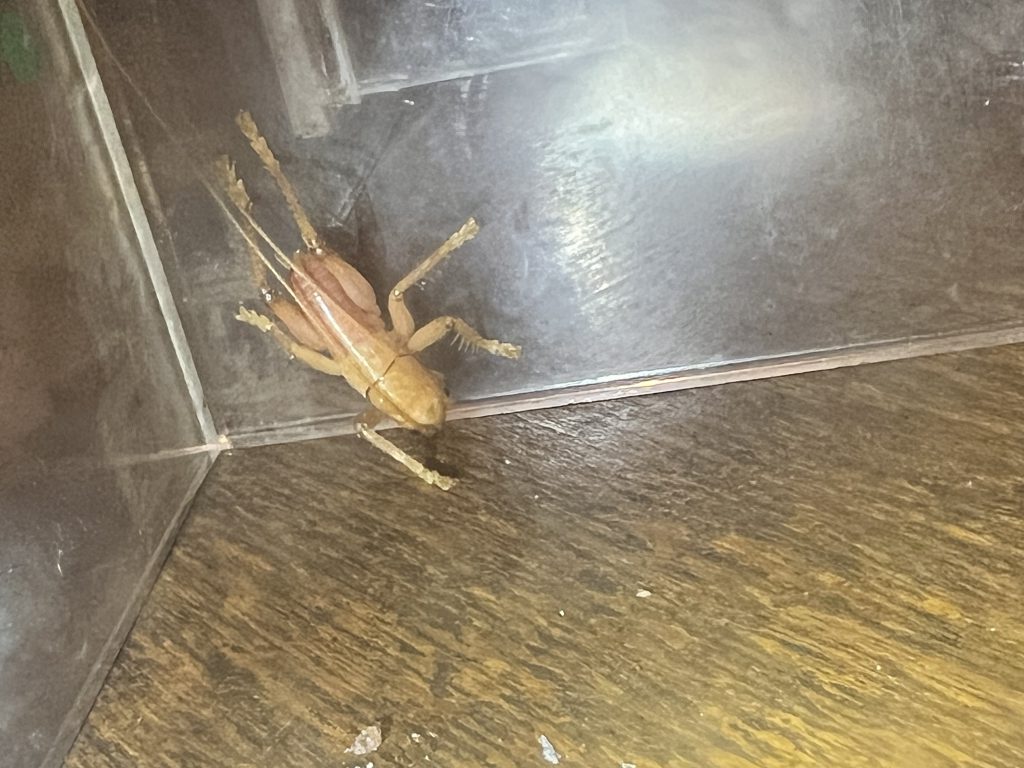
In a damp hollow near the trail, I startled a camel cricket. It was Diestrammena japanica, a species native to Japan that has hitched rides around the world. On Lombok, it was just a shy jumper doing its best impression of a shadow.
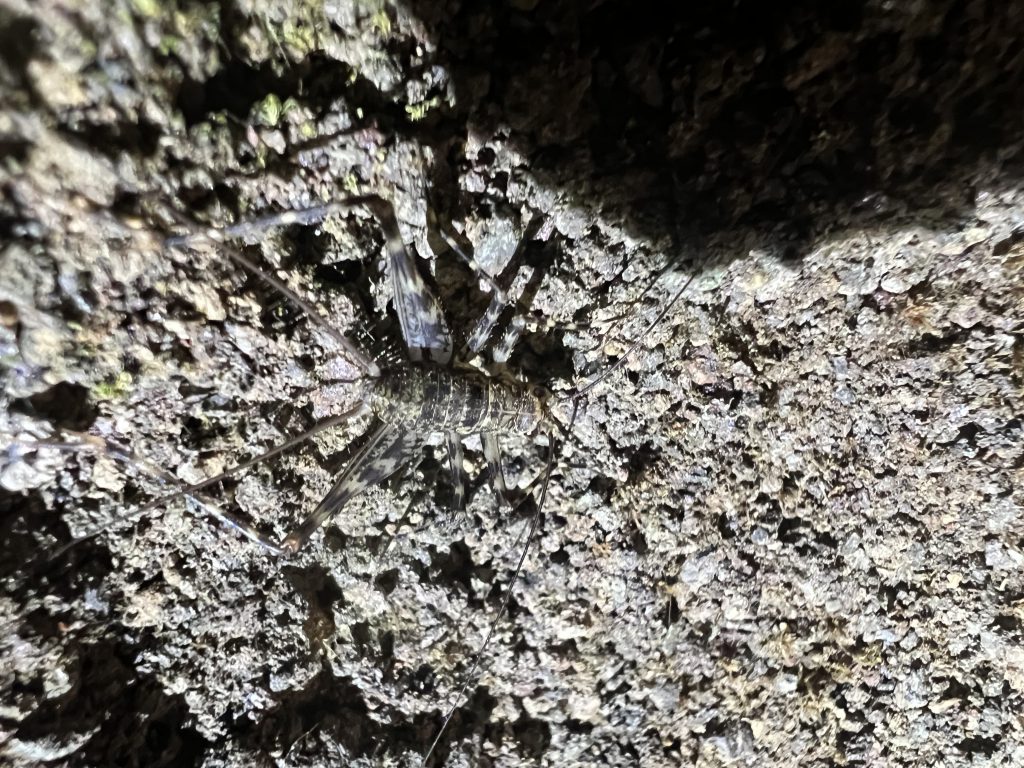
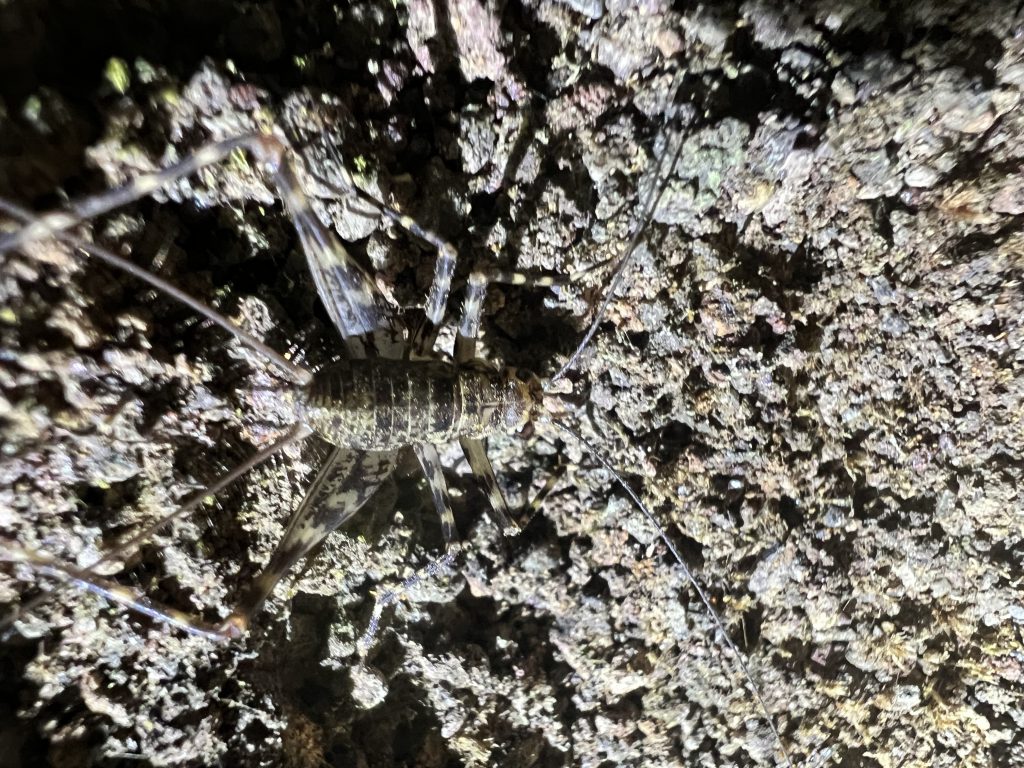
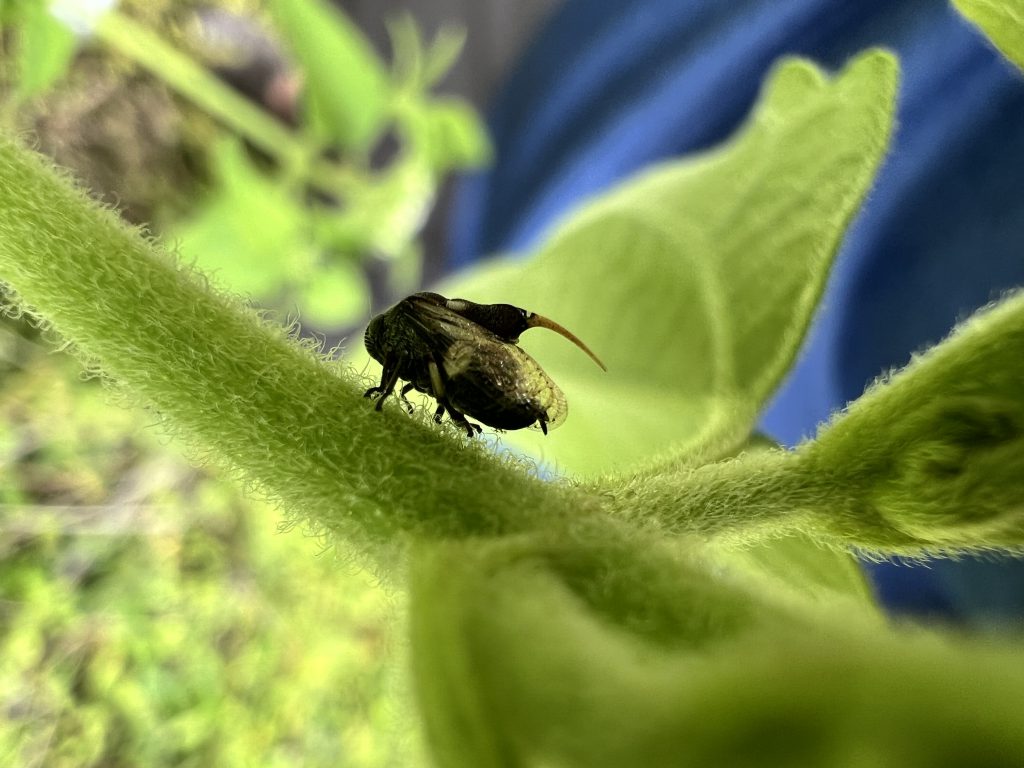
Not every encounter was dramatic. On a woody stem, a small spittlebug nymph of the family Machaerotidae had built itself a calcareous tube, a tiny limestone tower where it hides in a pool of clear liquid. It is one of the oddest homes in the insect world: the insect equivalent of a castle with a moat.
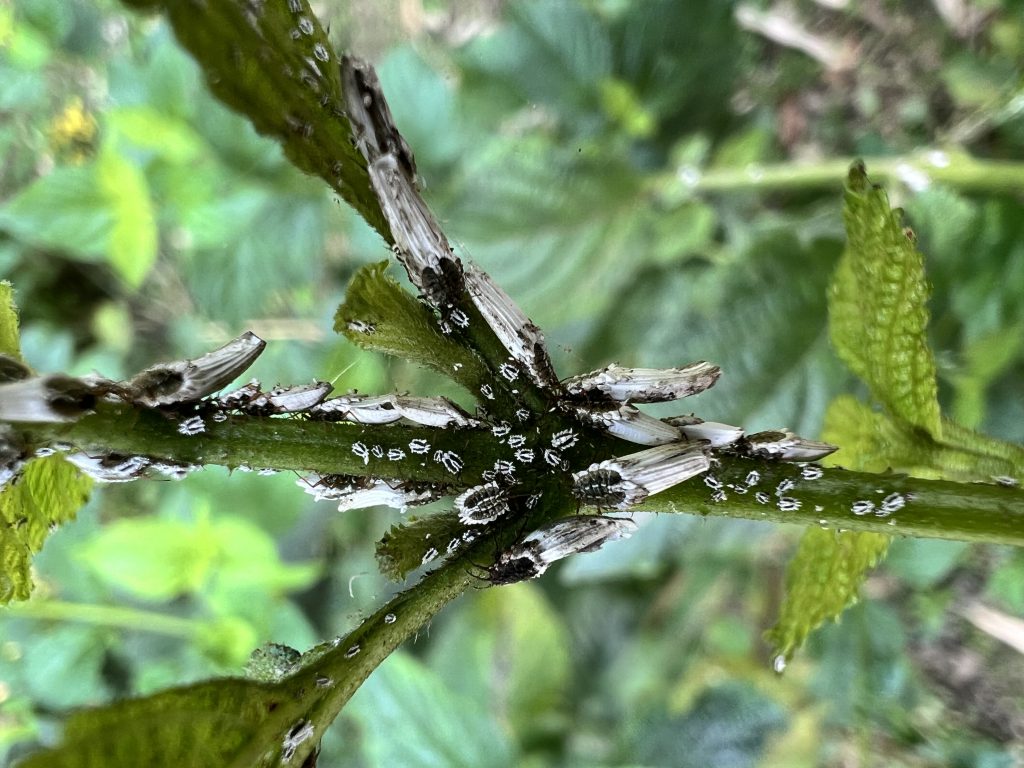
The smallest find of the trip was also one of the strangest. Insignorthezia insignis is a scale insect barely 1.5 millimeters long, brownish olive, carrying an elegant ovisac of sculpted wax plates behind it. Unlike most scale insects, it keeps its egg sac attached to its body instead of gluing it to the substrate. A pocket-sized piece of art.
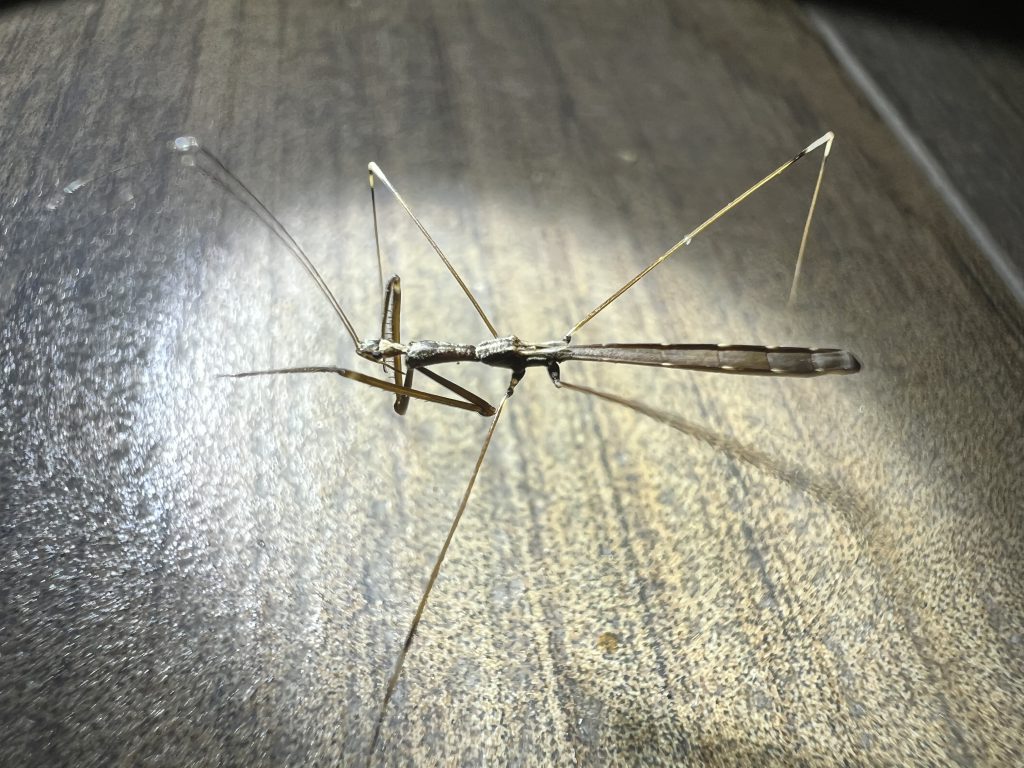
One night, a thread-legged bug of the genus Gardena stalked across a leaf on impossibly thin legs. It belongs to the subfamily Emesinae, the second-largest genus in its tribe, with 46 described species. Watching it move is like watching a math problem walk.
And then there were the ones I could not name. Three little strangers refused to be identified, even after I got home and dug through references. They remain in my notebook as open questions, which is exactly how a good mountain should leave you.
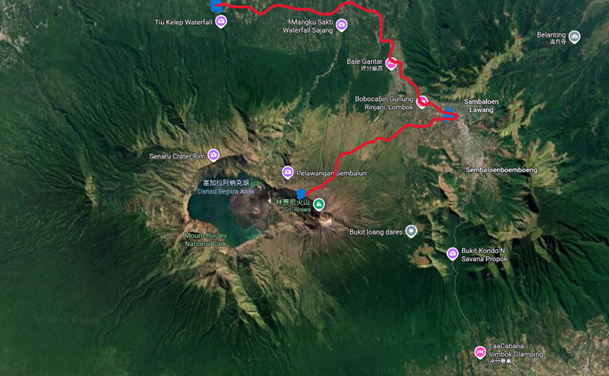
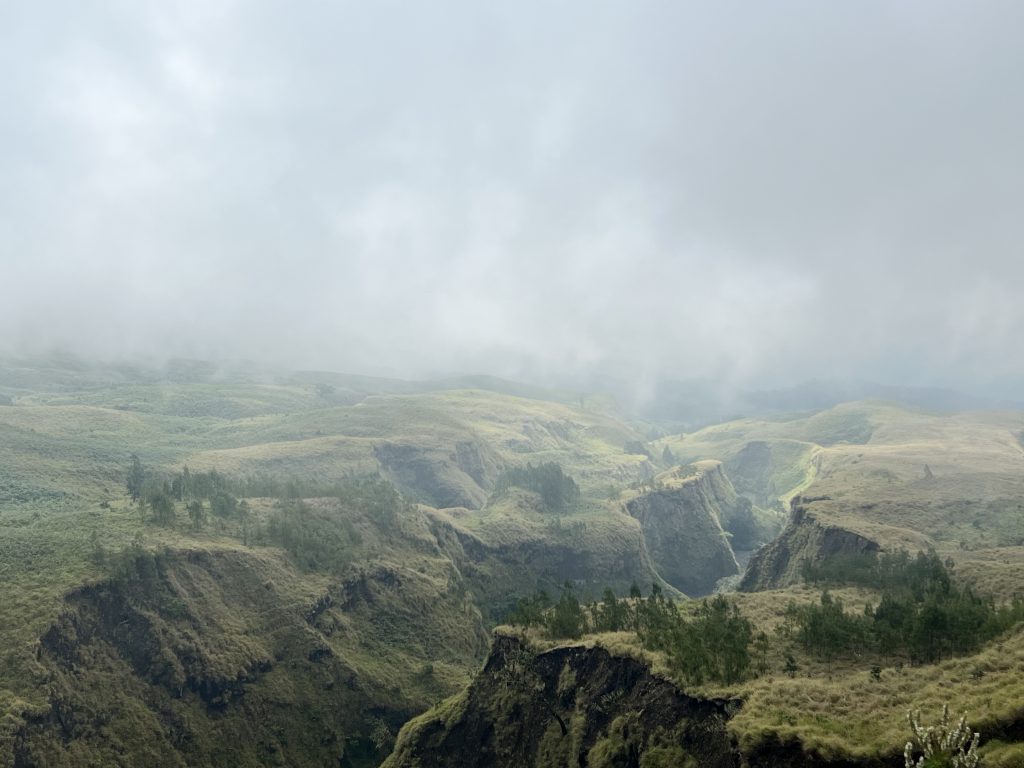
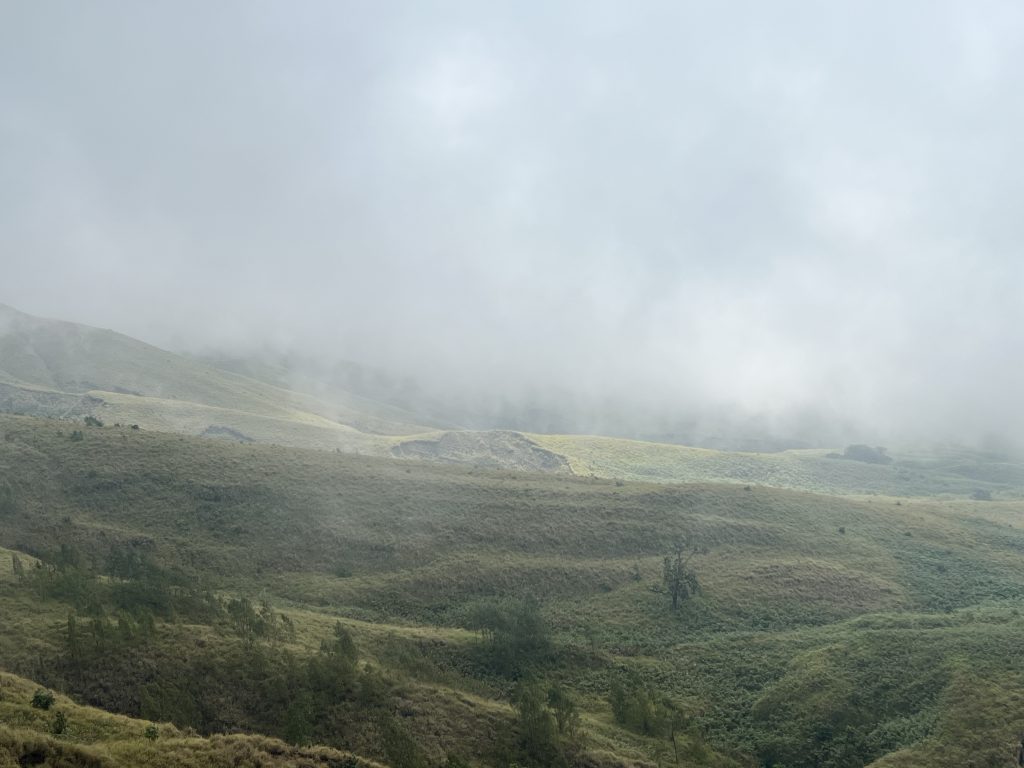
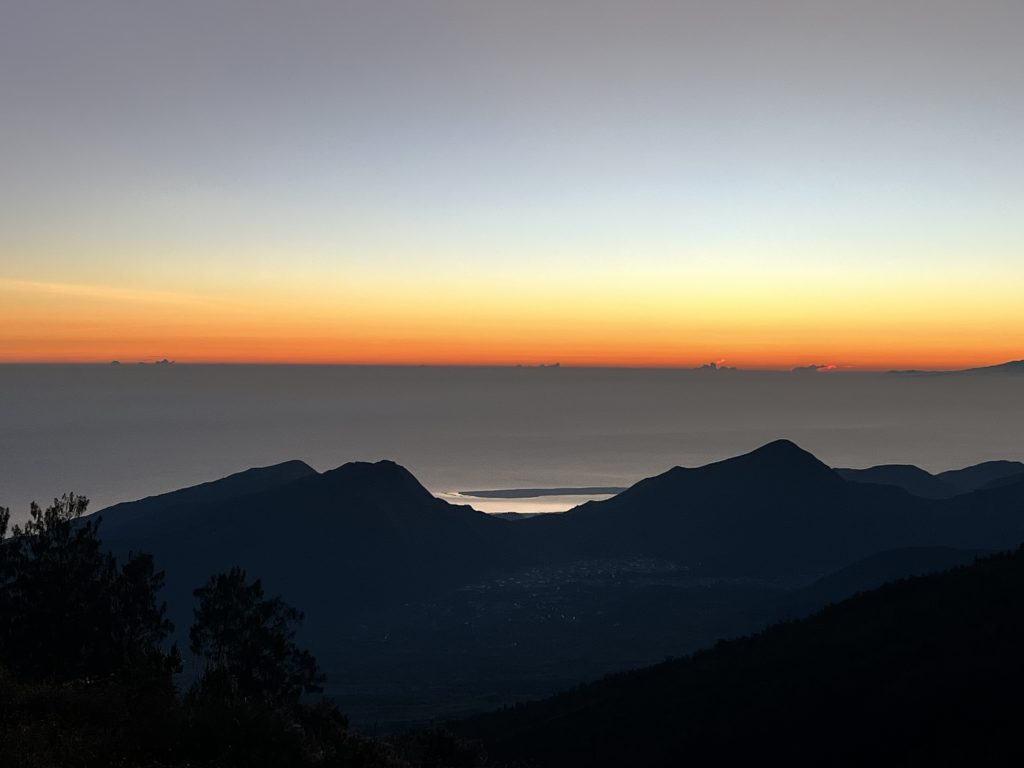
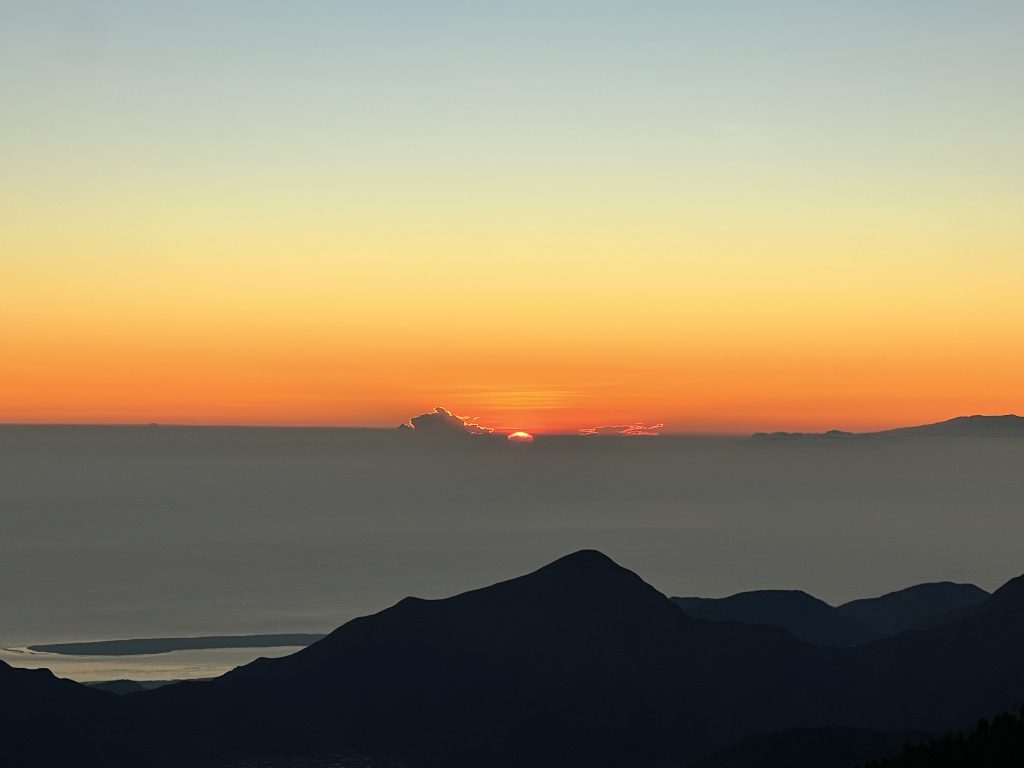
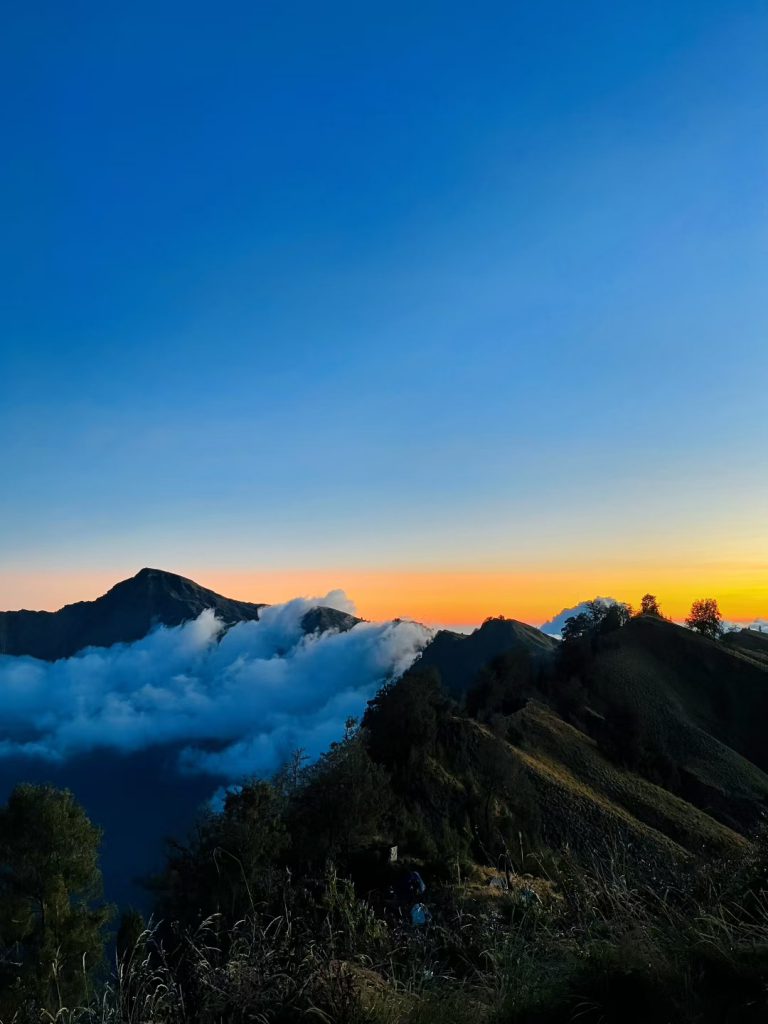
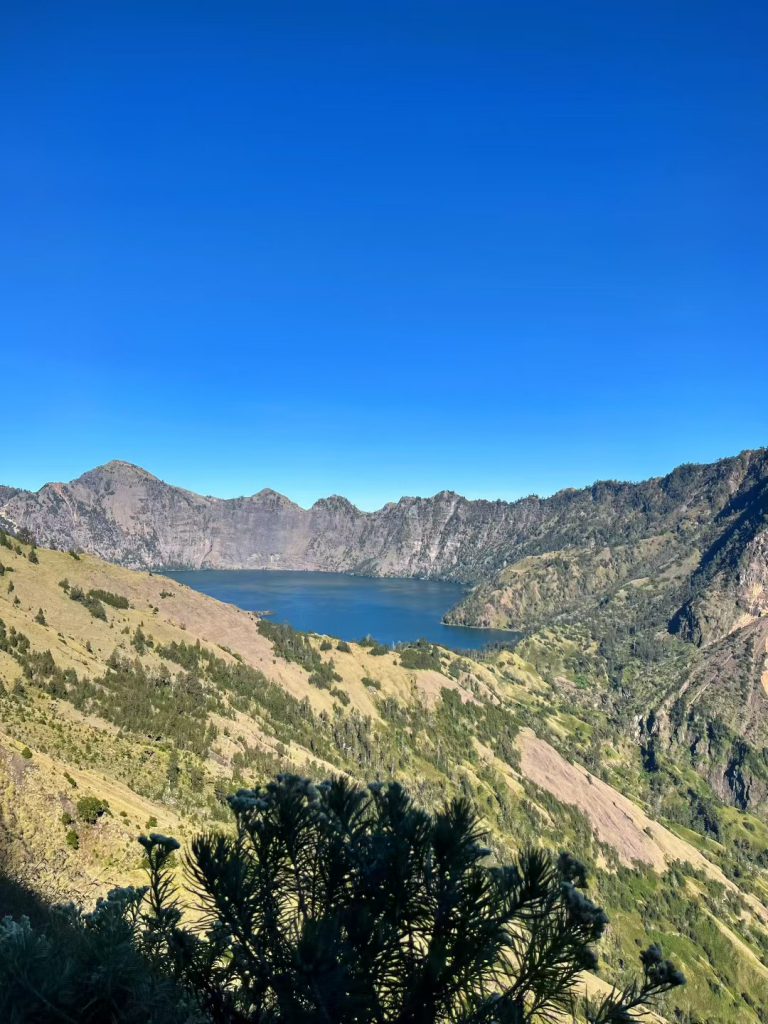
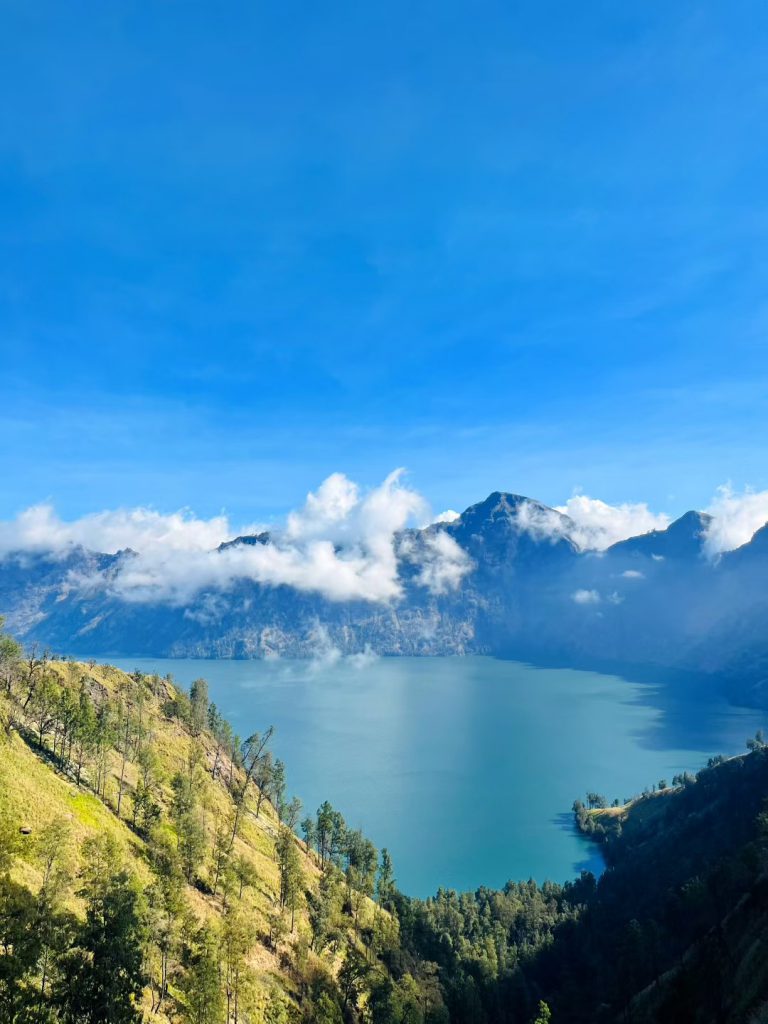
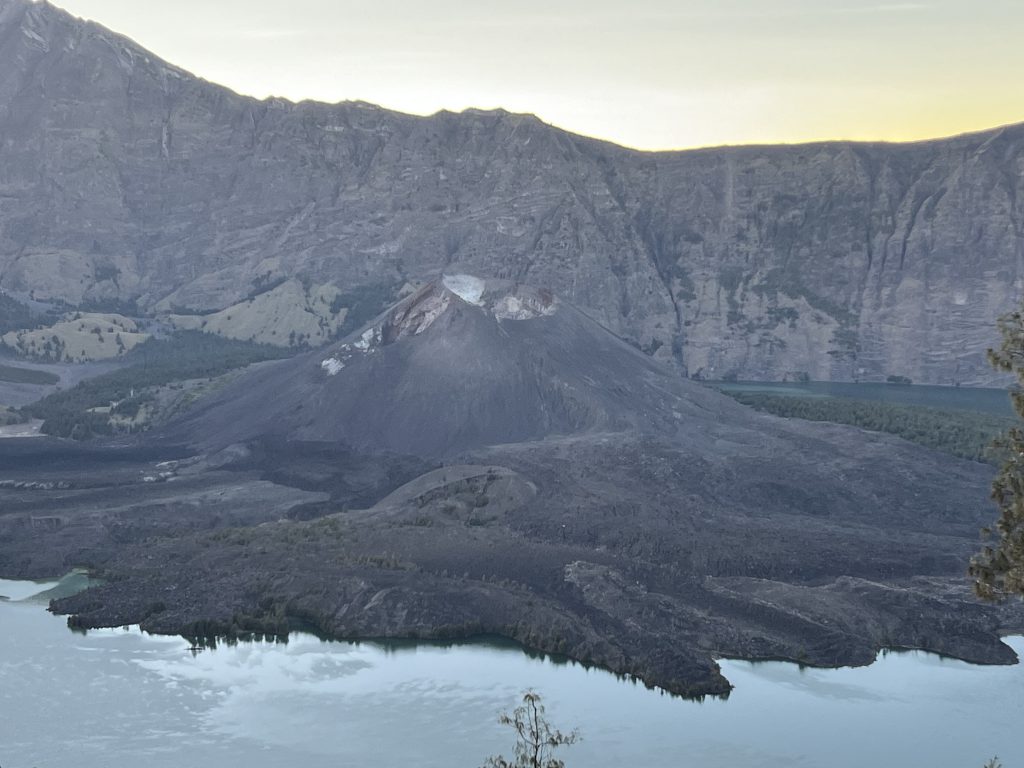
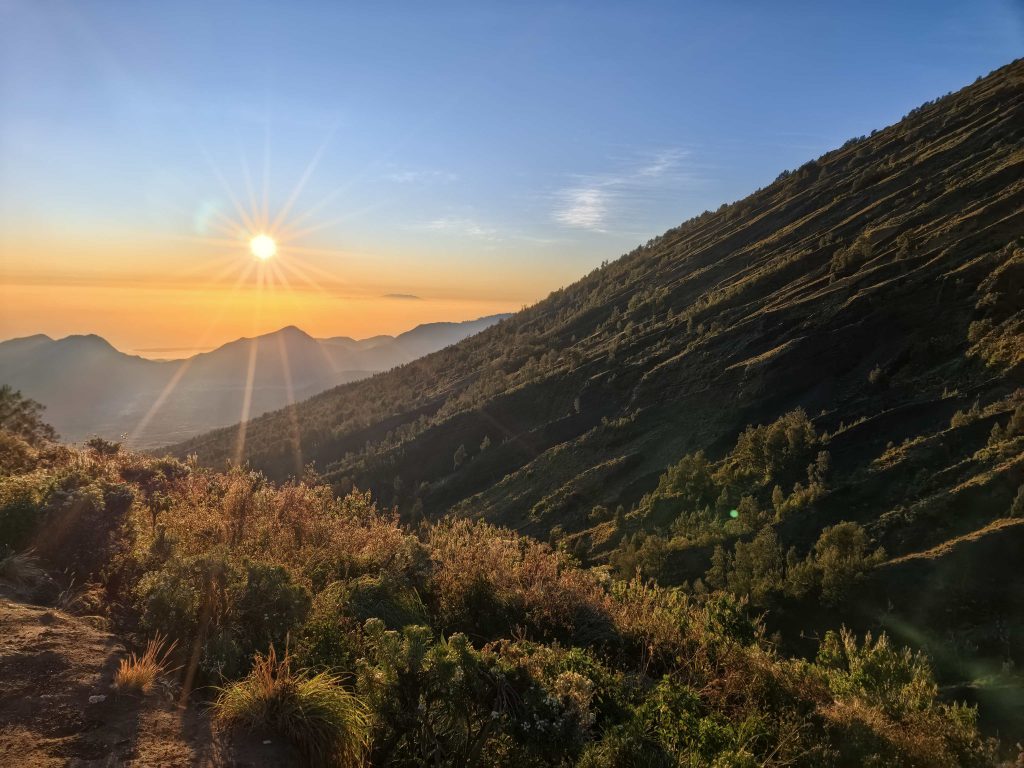
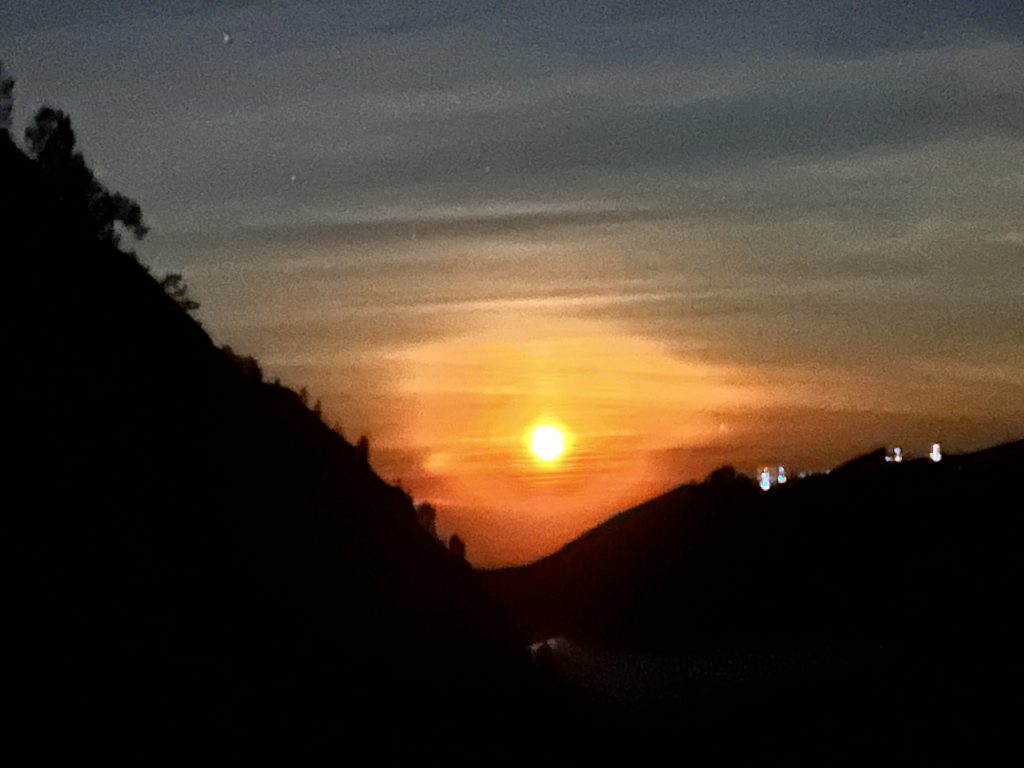
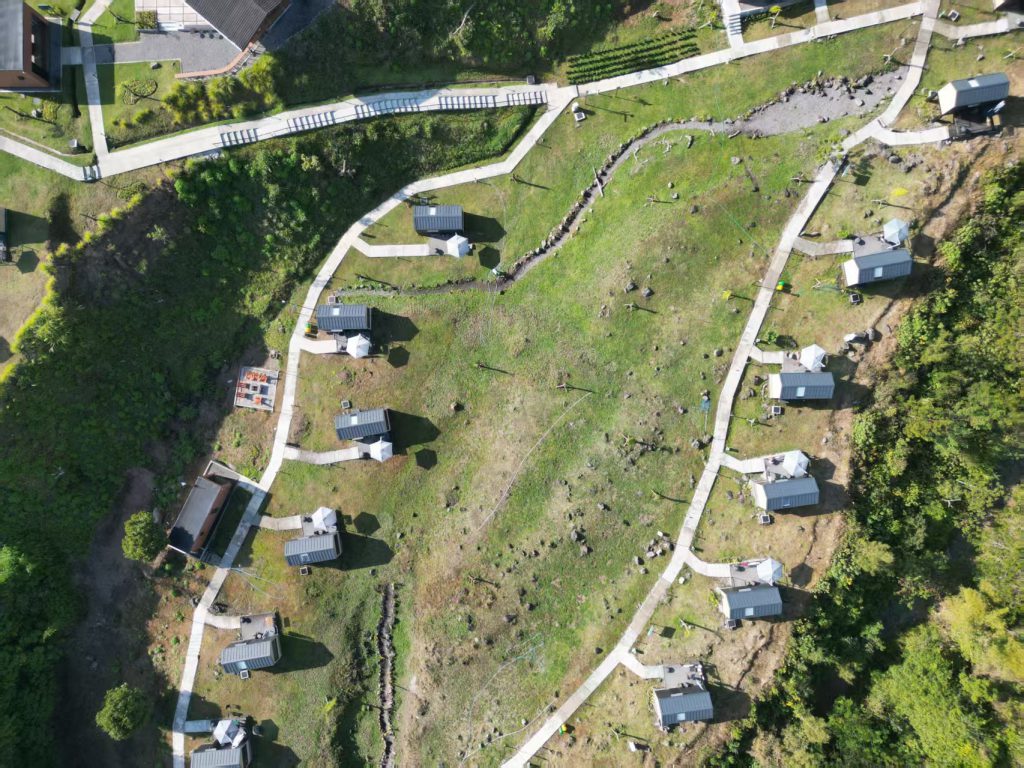
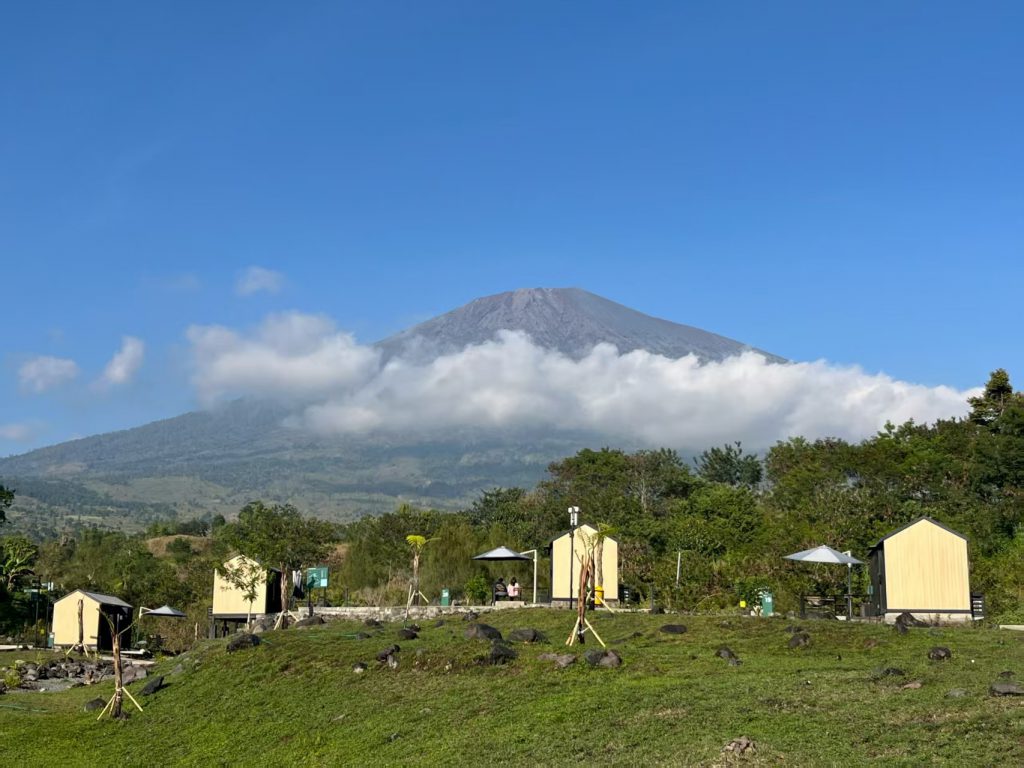
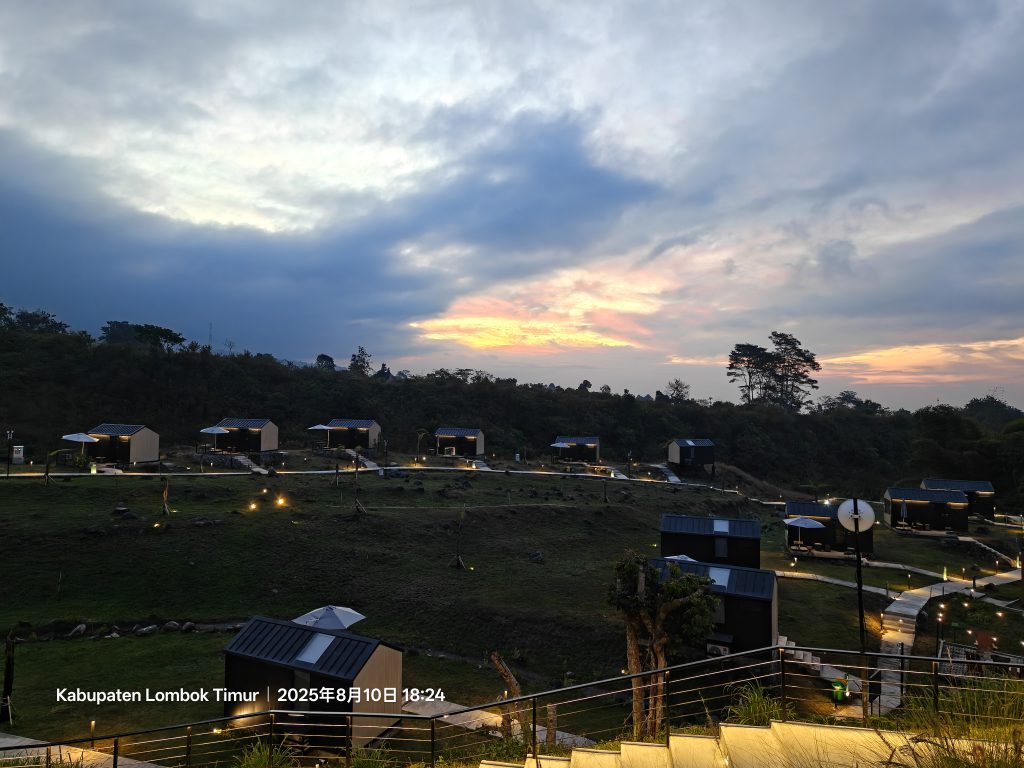
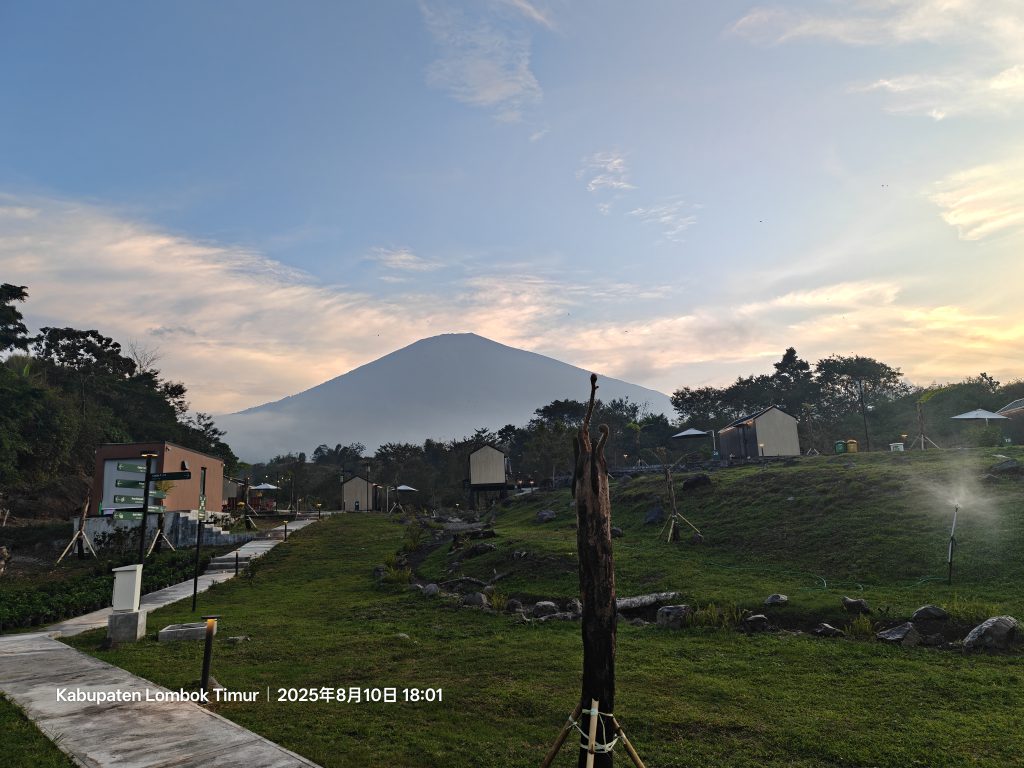
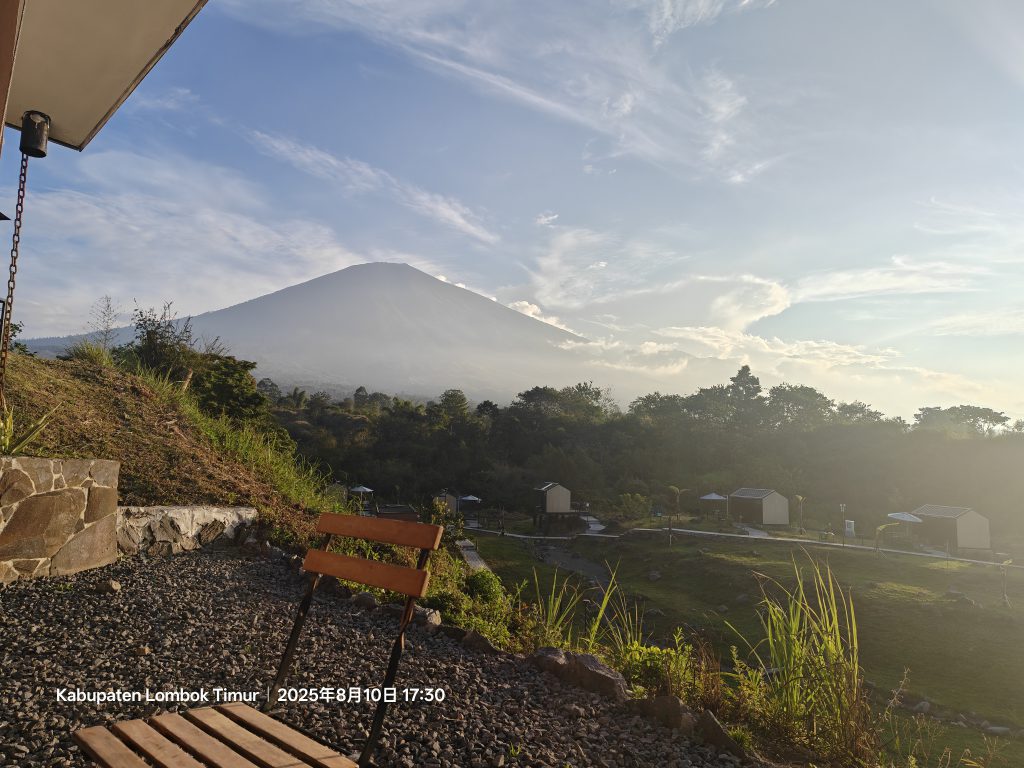
Of course, the insects were only half the show. Rinjani herself put on a performance: forested ridges, alpine meadows, and finally the great crater with its turquoise lake, all under a sky that turned gold at sunset. I had climbed 3,726 meters, and my camera roll was a mess of legs, antennae, wings and volcanoes.
Eighteen bugs, one volcano, zero regrets. I went up for the sunrise like everyone else. I came down with a notebook full of strangers, a few of whom I now know by name. Some hikers summit a mountain to see the view. I summited mine to see who lives there.
Reading this journal resonates deeply with me. I have personally hiked the volcanic trails of Bali and Lombok, and experienced firsthand the magnificent volcanic landscapes, as well as the physical exhaustion and challenges along the way. Back then, my attention was mostly fixed on the scenery and the arduous trek itself, and I completely missed these tiny creatures hidden among rocks and vegetation.
In hindsight, I feel a real sense of regret for missing out on the unique joy of discovering these little lives out in the wild. I truly admire the author’s remarkable power of observation. Even amid the strenuous volcanic hike, they took the time to notice these easily‑overlooked beings. Thank you for documenting all of this. It allows someone who has already visited these places to see a vibrant, lesser‑known side of this wilderness that I failed to notice myself.
Reading this genuinely made my day, thank you. And I know the feeling exactly, I have caught myself doing the same on plenty of trails, eyes fixed on the next ridge and missing everything underfoot. The thing that changed for me was slowing down and picking one patch of vegetation to watch for a few minutes instead of scanning the whole forest. Once you start, it is hard to stop. Most of these animals are also most active in the cooler hours, so the first hour of the day or the last one before dark is when the trail truly comes alive. No need to regret the ones you missed, either. The volcano itself is what most people carry home from that hike, and the little lives will still be there next time you go up. That is the nice thing about them.