A walking twig that calls Medog home
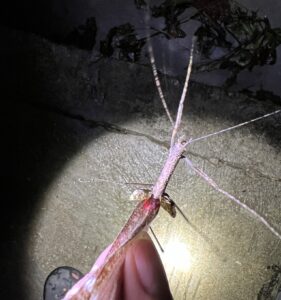
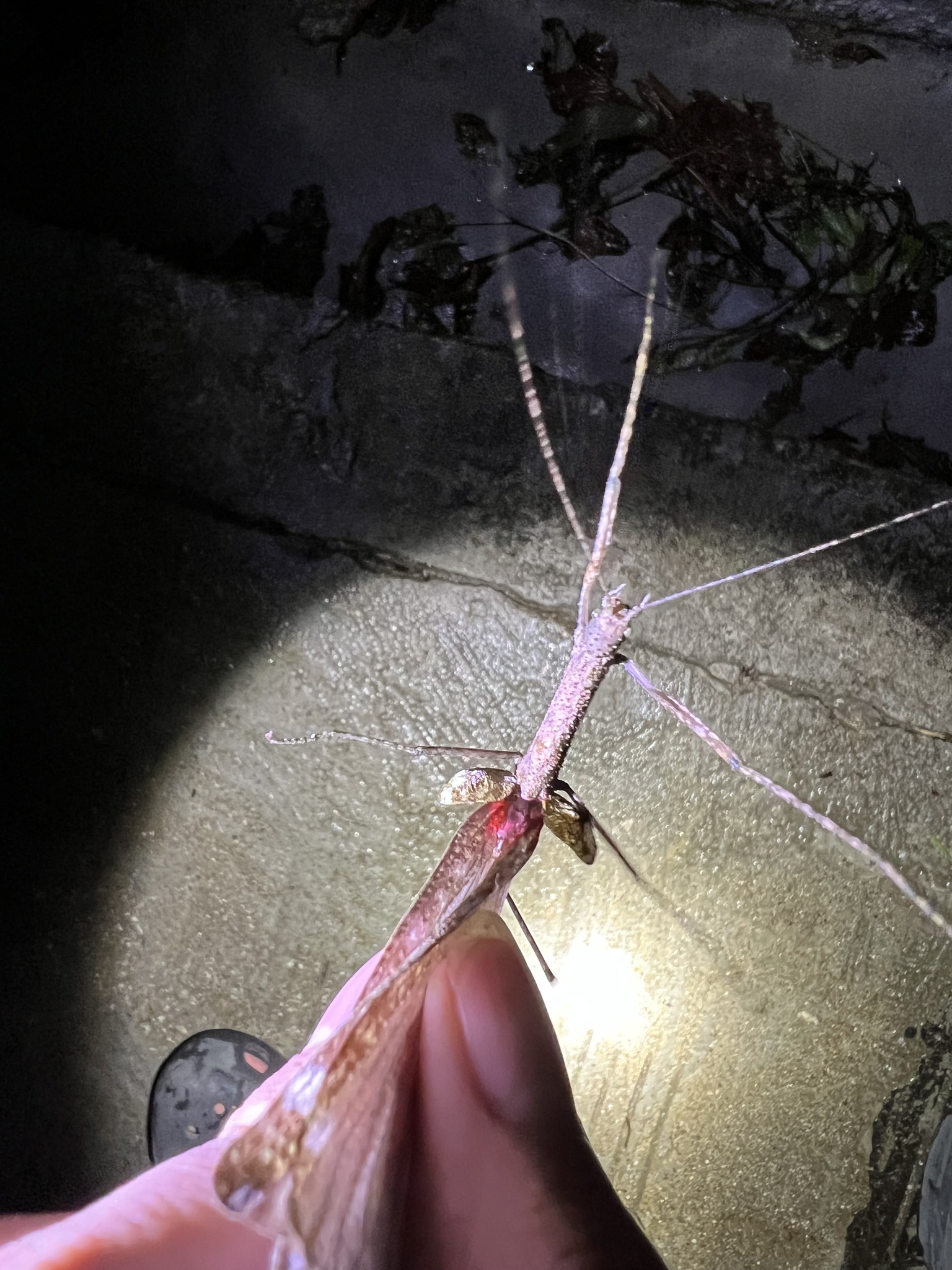
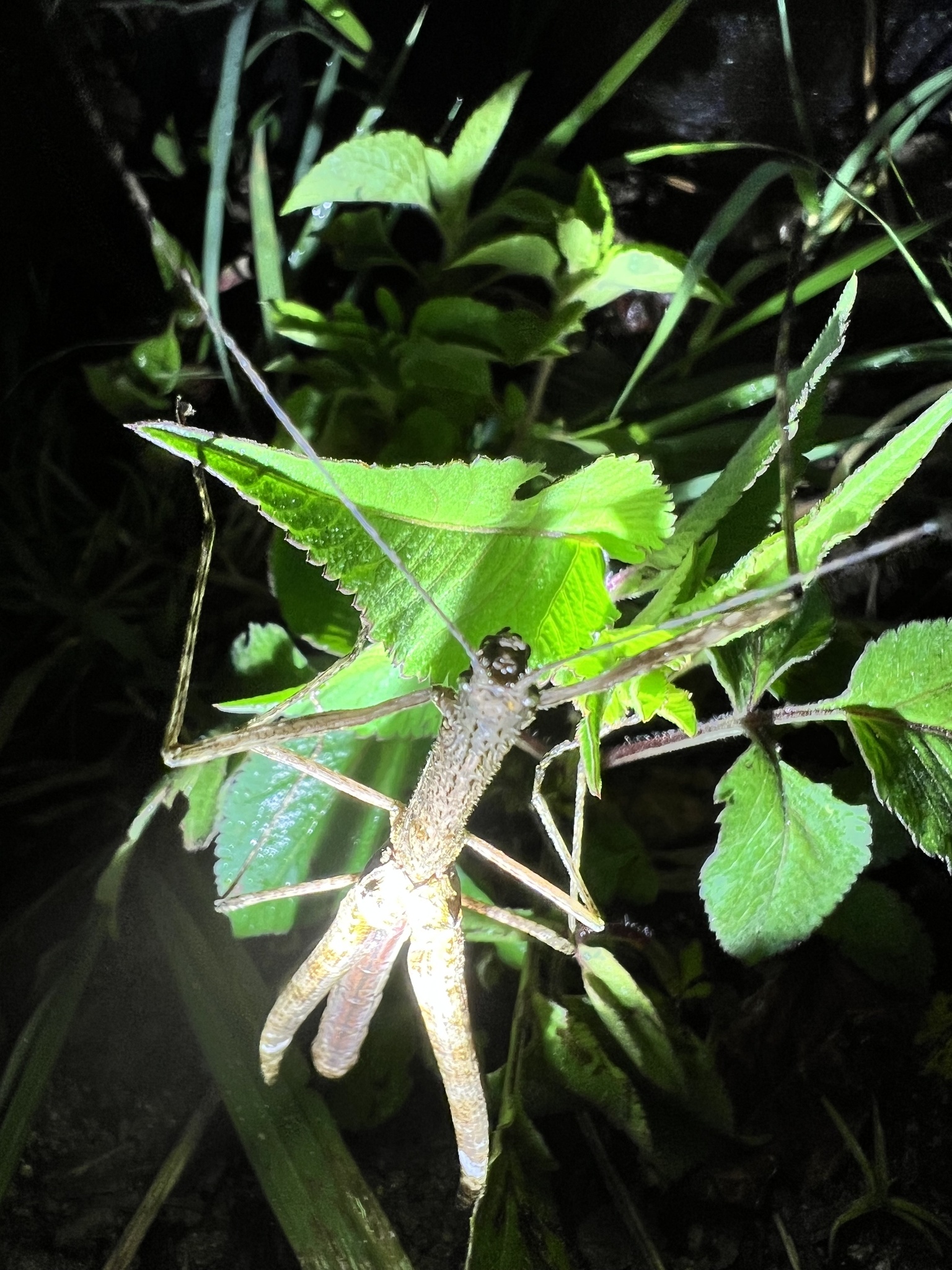
In the rainforests of Medog you learn to look twice at every twig. On 7 August 2024, one of those twigs turned out to be a stick insect, and it was kind enough to hold still for the camera while I worked out what I was looking at. The longer I stared, the more the shape resolved itself: long body, longer legs, antennae held like feelers testing the air.
This is Sosibia medogensis, a stick insect of the family Lonchodidae (order Phasmida). The name gives away its home: medogensis simply means from Medog. Sosibia species are slender and twig-like, with long legs and long antennae, and they spend their days motionless among the vegetation, trusting shape and stillness rather than speed.
Stick insects are leaf-eaters and mostly nocturnal, coming out to feed under cover of darkness. Their camouflage is so complete that the main threat to many of them is being overlooked entirely, which suits them just fine. Predators walk past them a hundred times a day; the ones that notice them usually do so by accident. And if a predator does grab one, many stick insects can shed a leg and grow it back at the next moult, leaving the attacker holding nothing but a leg-shaped snack.
Some stick insects sway gently as they walk, mimicking a twig moving in the breeze, a trick that fools birds and occasionally entomologists. A species named after a single valley is a reminder that Medog’s insect life is still being mapped, one walking twig at a time.
这个只有墨脱才有吗?
从目前已知的记录看,是的,它目前只记录于墨脱。这个种是陈树椿、何允辉 2004 年在《西藏雅鲁藏布大峡谷昆虫》里发表的新种,模式产地就是墨脱,种名 medogensis 也是”来自墨脱”的意思。除了发表时的标本,公开记录里目前只有这篇 2024 年的观察,GBIF 上也查不到墨脱以外的分布点。不过墨脱的昆虫本底调查还远远没做完,雅鲁藏布大峡谷一带类似的雨林生境还不少,周边很可能也有分布,只是还没人记录到,所以准确的说法是”目前仅知分布于墨脱”。另外 Sosibia 属在华南和东南亚还有不少其他种类,只是这个种目前看基本算是墨脱特有的。
请问它主要吃什么植物?文章说竹节虫是食叶的,但没提到具体寄主,很好奇它在墨脱吃的是哪种树的叶子。
说实话,目前还没有任何关于墨脱健䗛寄主植物的正式记录。这个种是陈树椿、何允辉 2004 年在《西藏雅鲁藏布大峡谷昆虫》里发表的新种,迄今只有墨脱的少量标本,原始描述没有记载食性,GBIF 上甚至一条分布记录都没有,所以它具体吃哪种树的叶子,严格讲还是个未知数。能确定的是同属(Sosibia)的竹节虫都是阔叶树和灌木的食叶者,而墨脱低海拔雨林里壳斗科(栲、青冈)、桑科榕属、蔷薇科悬钩子这类植物极其丰富,它们恰好是亚洲竹节虫最常见的寄主类群。照片拍摄时它正停栖在植被上,可惜当时没留意有没有取食痕迹。你要是再去墨脱,能观察到它在吃某种叶子,那会是一个很有价值的野外记录。