A pantry moth caught mid-flight between the cupboards and the light
On August 29, outside the Shady Side Academy Senior School in Fox Chapel, a small moth kept circling near the building, its wings flickering in the late-summer light. It landed long enough for a close look, and the pattern was easy to read: the front half of each wing pale gray, the back half washed in a coppery brown, like a leaf dipped in two different inks.
It was Plodia interpunctella, the Indian meal moth, a member of the snout moth family Pyralidae in the order Lepidoptera. The two-tone wing pattern is one of the most reliable field marks in the group, and the species is one of the most widespread moths on the planet, carried around the world inside stored food. The identification is made to species level, awaiting community confirmation.
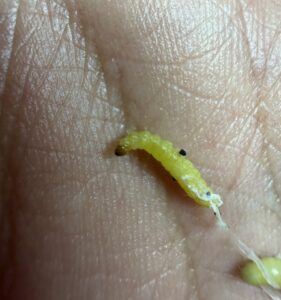
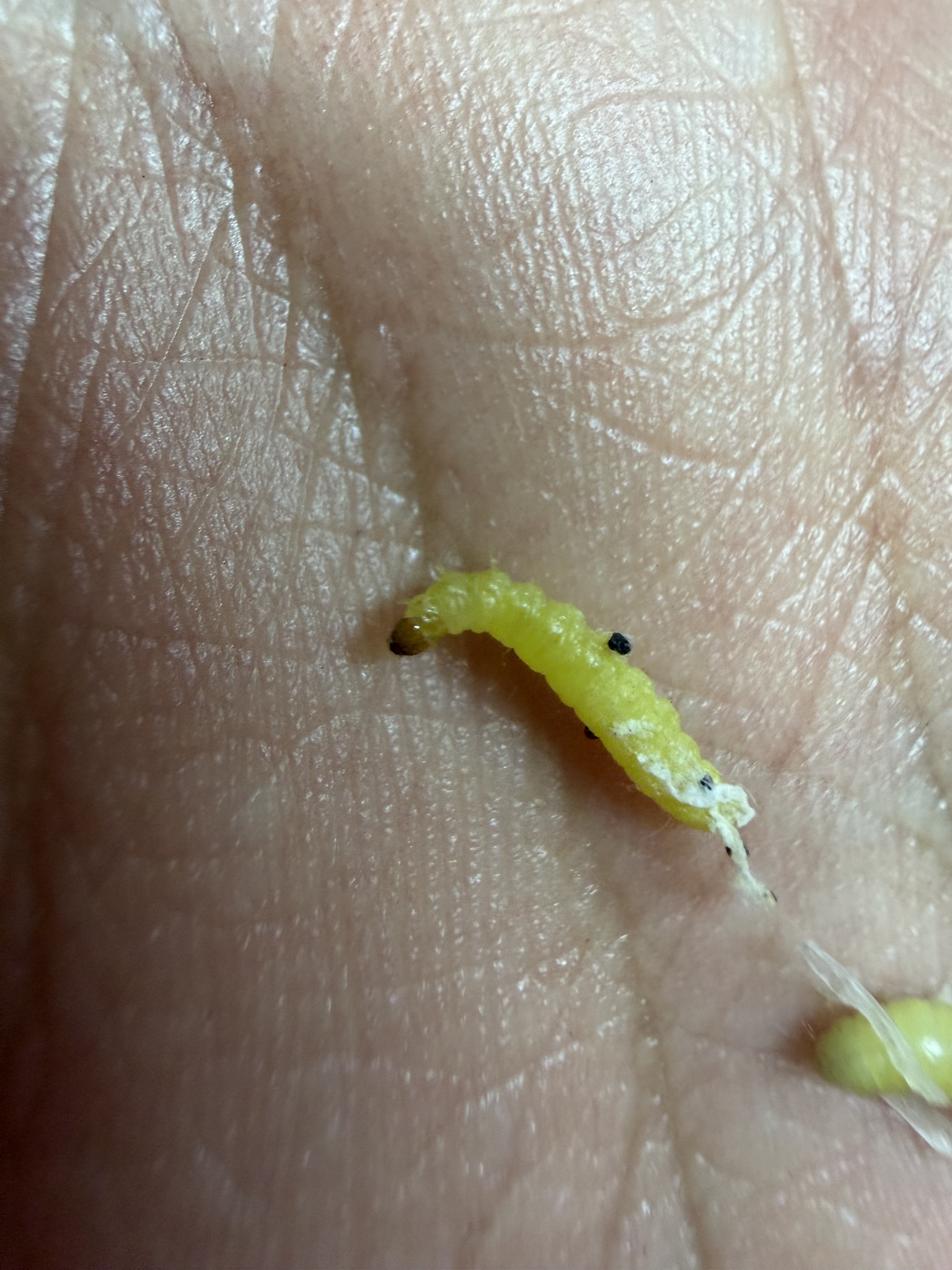
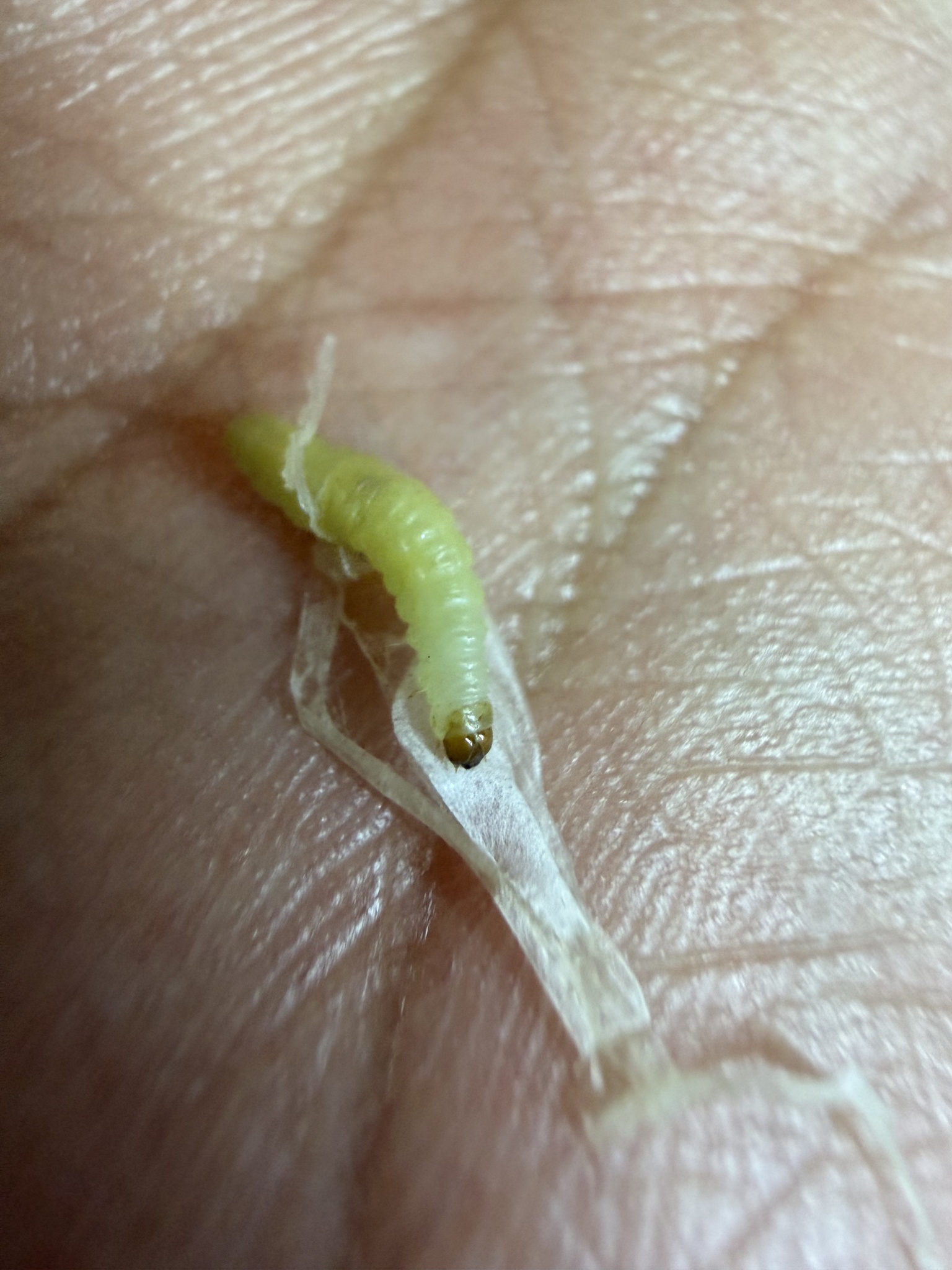
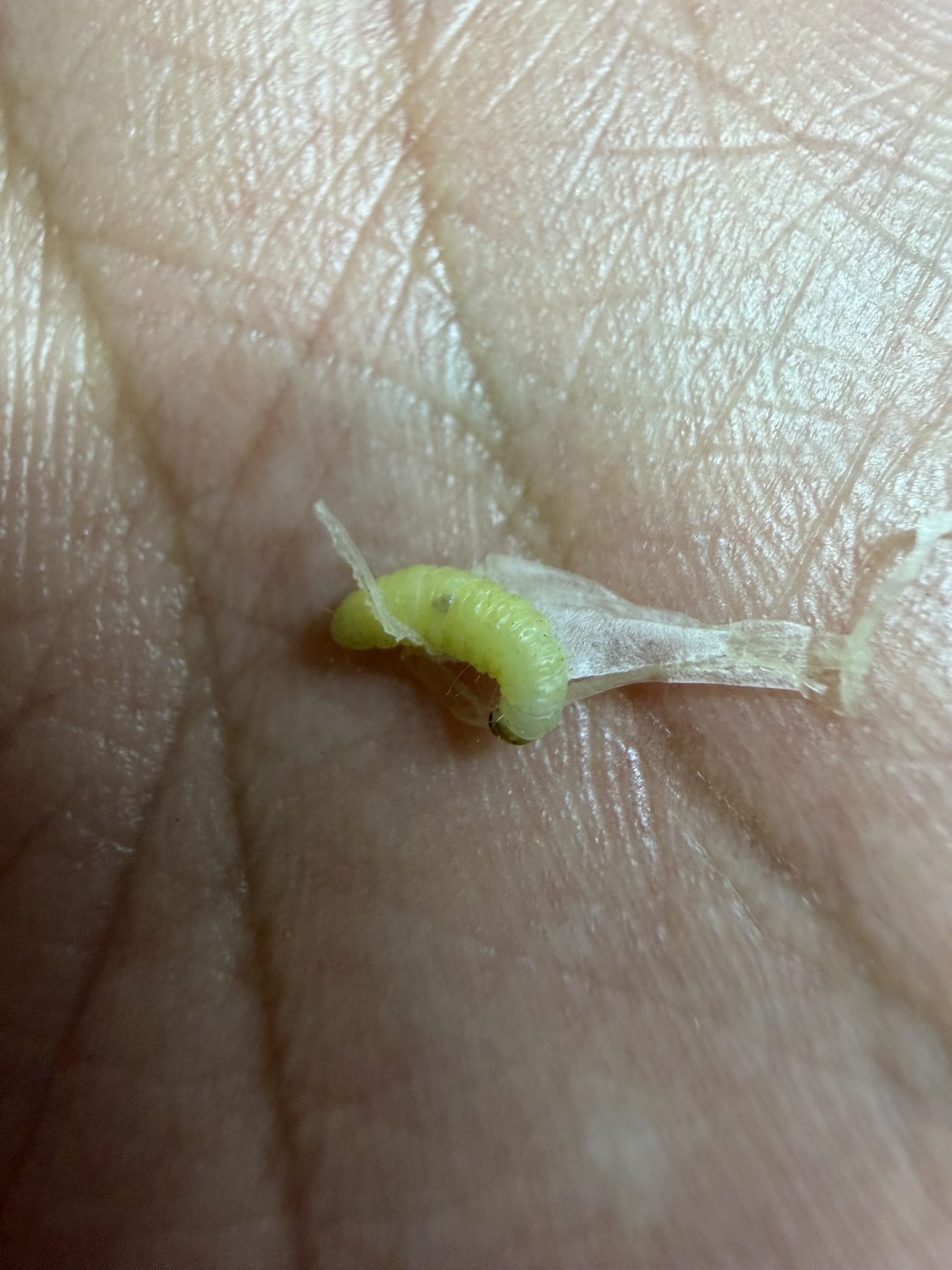
True to its reputation, this is a pantry moth: the larvae feed on dried plant material, from flour and cereal to dried fruit, nuts, and pet food, spinning silken webbing across whatever they infest. The adults are harmless to food, but a single overlooked larva in a bag of grain can seed an entire kitchen population, which is why entomologists often meet this species in the cupboard rather than the field.
Its scientific name suits a hitchhiker: interpunctella points to the interrupted wing markings, and the species has been intercepted at ports on every continent. A small moth with an outsized reputation, found here simply doing what it does best, turning up almost anywhere humans store grain.
Great catch! The two-tone wing pattern really is distinctive, and it is funny to see one out in the open rather than in a cupboard. I was wondering: since the adults are harmless to food and only the larvae do the damage, do the adult moths actually feed at all, or do they just live off reserves from their larval stage? And is there an easy way to tell an active infestation from an old one that has already died out?
That’s the odd part about this species: the adults essentially don’t feed at all. Their mouthparts are reduced to the point of being non-functional, so everything they have comes from what they ate as larvae, and an adult only lives about a week or two, spending all of it finding a mate and laying eggs. A female that never takes a meal can still lay a couple hundred eggs, which is exactly why one forgotten bag of grain is enough to restart the whole cycle.
For telling an active infestation from a dead one, I’d trust a pheromone trap more than eyeballing it. Males fly to the synthetic lure, so a trap that keeps catching moths means adults are still emerging from somewhere; if it stays empty for a few weeks after you have cleaned out the cupboards, the cycle is probably broken. Visually, fresh webbing is slightly sticky and you will see larvae wandering, often up on walls or the ceiling, since that is where they go to pupate. Old webbing is dry and brittle, full of shriveled larvae and empty pupal cases, and no new silk appears in the days after you clean.